In February 1863, a young Union soldier made a grave misjudgment. He was stationed near H. Hearnden, Virginia, in country crawling with Confederate sympathizers, and he had just been entrusted with the details of an elaborate plan to capture the notorious partisan ranger Colonel John S. Mosby.
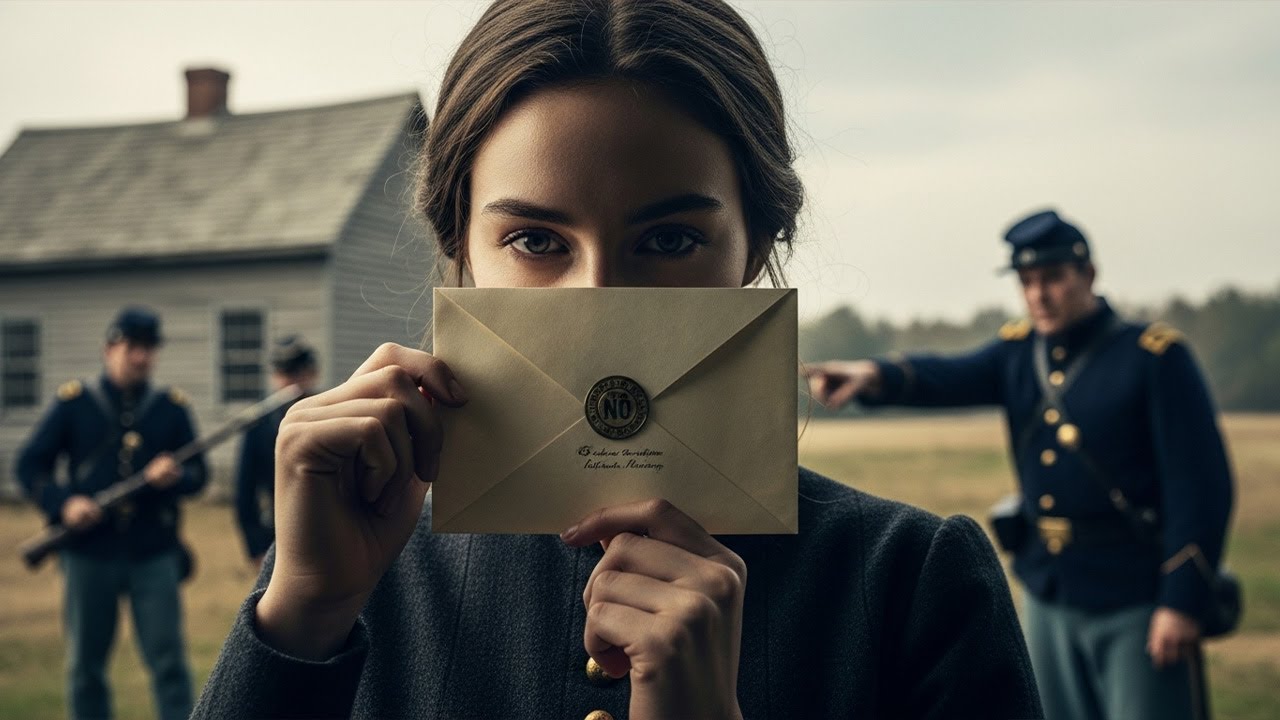
The trap was set. The pines were packed with cavalry. All that remained was to spring it. And then the soldier told a woman.
Her name was Laura Ratcliffe, and she was, by the standards of nearly everyone who knew her, a smooth operator. To the Union soldiers lounging around the picket line, she may have seemed little more than a local belle, a pretty face in a hoop skirt. They knew perfectly well, however, that she was a very active and cunning rebel. For years, she had worked closely with Mosby and with the great cavalry commander J.
E. B. Stuart, and her loyalty to the Confederacy had never been a secret. Union investigators had searched her farm repeatedly, certain that she was up to something, and they had never found a thing.
Ratcliffe had begun the war as a nurse. In time, she became a spy, and she proved to be a remarkably resourceful one. She carried money and sealed documents in an egg basket with a false bottom, and on more than one occasion Confederates used her house as a headquarters and as a temporary storehouse for confiscated Union goods. The searches never turned up the stash.
When the soldiers came around, she smiled, played the part, and kept her secrets. Given all of that, handing her the details of an ambush was not the wisest of moves. But the young soldier was not thinking wisely. He was thinking about impressing her.
He reasoned, perhaps, that even if she were a rebel, even if she were close to Mosby, she could do nothing with the information in time. The mud was too deep, the roads too soft, and there was no way a woman in a hoop skirt could navigate that mire to warn anyone. By morning, he assured her, her friend Mosby would be dead or a prisoner. It was a spectacular miscalculation.
Telling a woman that her friend would be dead or behind bars by sunrise is not, as a rule, a good way to win her affection, and Laura Ratcliffe was not about to let a little mud stop her. She had no intention of sitting quietly while the trap closed. The moment the soldier finished boasting, she made her way out into the muck, trudging through the deep Virginia mud in search of a neighbor who might be able to get word to Mosby. She went from house to house, desperate and determined, as the hours slipped away.
As luck would have it, she never had to go far. Mosby himself rode past while she was making her rounds, out scouting the enemy position with his men. She stopped him and told him everything. Mosby later recorded the encounter in his memoirs, and he was unequivocal about what had happened.
He credited Ratcliffe with saving his life. She was, he wrote, a young lady to whom Stuart had introduced him a few weeks before, when he was returning from his raid on Dumfries with her sister. Their home was near Frying Pan, and they had got information of a plan to capture him. They were just going to the house of a citizen to get him to put Mosby on his guard, when fortune, as he put it, brought them across his path.
“But for meeting them,” Mosby wrote, “my life as a partisan would have closed that day. ”
He did not doubt it for a moment. He had seen the setup with his own eyes. There was a cavalry post in sight at Frying Pan, a picket sitting out in the open, tempting him to attack.
But near there, hidden in the pines, a large body of cavalry had been concealed. The whole thing was a lure. The Yankees expected that Mosby would charge the picket, that he would taste a momentary triumph for the few minutes it took to overrun the outpost. And then, the moment he was committed, the cavalry in the pines would burst from their hiding place and fall on his rear.
It was a classic trap, and had he sprung it, his career as a partisan would have ended then and there. He would have been dead or captured, his raiding days finished. The young soldier’s boast had unraveled the entire plan. Mosby, now fully warned, did not ride into the ambush.
He maneuvered his men around the pines, denied the Yankees their prey, and continued on his way. The cavalry that had been so carefully concealed in the woods waited in vain for an enemy who never came. For Mosby, the warning was a matter of life and death, and he never forgot it. In the years after the war, long after the fighting was over, he would tell the story again and again, always giving Laura Ratcliffe the credit she deserved.
It was, in the end, a story about how a plan that seemed airtight, a trap that looked perfect on paper, came apart because one Union soldier could not resist the urge to impress a pretty girl. He told the one person in the county who could do something about it, and she did, despite the mud, despite the hoop skirt, despite every reason the soldier had convinced himself she could not possibly be a threat. The trap at Frying Pan Church closed on nothing. The hidden cavalry rode home empty-handed.
And thanks to a woman who was not too ladylike to wade through the muck, John S. Mosby lived to fight another day. Loose lips, it turns out, really do sink ships, or, at the very least, allow rebellious cavalry officers to slip away.
