In 2006, a Hollywood studio made a comedy and then did everything in its power to make sure no one saw it. Fox released Mike Judge’s dystopian satire with no television trailers, no press screenings, and almost no marketing support. The film slipped into a handful of theaters and vanished, leaving audiences wondering if they had imagined the whole thing. The studio that made it treated it like an embarrassing mistake that needed to disappear quietly.
Years later, the rejected comedy refused to stay dead. It clawed its way back into public consciousness, transforming from a forgotten curiosity into one of the most disturbingly prophetic films ever made. The trouble began before a single frame was shot. Studio executives despised the title “Idiocracy,” convinced the word sounded too harsh and would drive away potential viewers.
Focus groups complained that it felt negative, academic, and completely unmarketable for a mainstream comedy audience. Mike Judge refused to budge. He understood that the satire demanded a bold, confrontational title that immediately communicated the premise. Studio suggestions for alternatives were painfully bland, generic comedy names that would have stripped away the film’s sharp edge.
The title stayed, but the conflict foreshadowed bigger problems ahead. Major corporations initially agreed to let their logos appear in satirical form throughout the film. They signed off on parody versions, apparently missing how foolish their products would look in Judge’s dystopian future. Then they actually saw the footage and immediately demanded their brands be removed.
The sudden withdrawals forced last-minute scrambling. Judge’s team had to redesign sets, create generic replacements, and rework scenes that featured real company names. Some corporations threatened legal action if their logos appeared in the final cut, despite having approved the concepts earlier in production. The corporate panic illustrated exactly what Judge was satirizing: companies so protective of their image that they couldn’t handle being part of a joke.
The film’s premise didn’t emerge from pure imagination. Judge spent time reading demographic studies examining birth rate patterns across different education levels. The research showed declining rates among higher-educated populations while other groups showed opposite trends, creating an ironic demographic shift that fascinated him. He found dark comedy in these statistics and used them as the foundation for the film’s opening sequence.
The opening montage, which took months of editing to perfect, directly referenced these studies. Early cuts either felt too mean-spirited or too silly. Test audiences frequently misunderstood the sequence, with some finding it offensive and others thinking it was serious. The team kept adjusting those critical two minutes until they finally achieved the uncomfortable comedy Judge wanted.
Production faced significant challenges. Maya Rudolph joined the project mere days before filming began, stepping into a role that wasn’t even fully developed. With scenes still being written and character details remaining vague, she reshaped the character on the fly, using her comedy instincts to fill gaps in the script. Her natural chemistry with Luke Wilson worked despite zero rehearsal time.
Wilson had taken the role for a single simple reason: he trusted Mike Judge completely. The script sounded bizarre and risky, but Wilson believed in Judge’s vision enough to commit without hesitation. His naturally calm demeanor made him perfect for anchoring the chaos. Dax Shepard completely misread his role, approaching his character as a serious dramatic performance rather than broad comedy.
Judge loved the unexpected interpretation. Shepard’s deadpan delivery made the dystopian world feel more authentic and genuinely unsettling rather than cartoonish. His confusion about tone resulted in perfect comedic timing that no direction could have manufactured. The production design team embraced an unconventional construction philosophy.
Many sets, particularly the chaotic food court, were assembled entirely from salvaged materials and actual junkyard finds. Designers deliberately selected mismatched, broken, or visually unappealing components rather than crafting polished futuristic environments. Everything looked thrown together hastily, as if the future had been constructed by the lowest bidder using whatever materials were cheapest. Judge wanted the world to appear sloppily constructed, mass-produced without quality control.
The massive warehouse store interior was filmed inside an actual airplane hangar, with aisles physically constructed to stretch into the distance. The props department scavenged castoff items from older science fiction productions, then intentionally degraded them with poor repainting and modifications to appear malfunctioning and obsolete. The giant trash slide sequence required extensive physical construction. The production team built it by hand using foam pieces, debris, and rubber materials.
Despite appearing chaotic and random, every component had to be carefully positioned to ensure actor safety during filming. The trash pieces shifted constantly, making it difficult to maintain continuity between takes. Actors had to navigate the unstable surface while performing their scenes, adding genuine physical difficulty to their performances. Background performers received unusual direction that departed from typical comedy instruction.
Judge specifically told extras not to play their characters as unintelligent or exaggerated. Instead, he wanted them to appear disconnected and disengaged, like people mindlessly scrolling through content without actually processing anything. Extras wandered aimlessly through scenes, staring blankly at screens or moving without purpose. This created an atmosphere of overstimulation rather than stupidity, suggesting a society that had simply checked out mentally from constant media bombardment.
The infamous in-universe television show “Ow, My Balls” emerged from actual media consumption studies. Judge researched real viewing habits and discovered that simple physical comedy clips ranked among the most repeatedly watched content online. People gravitated toward brief, mindless slapstick that required zero intellectual engagement. He transformed this insight into the film’s most memorable fictional program.
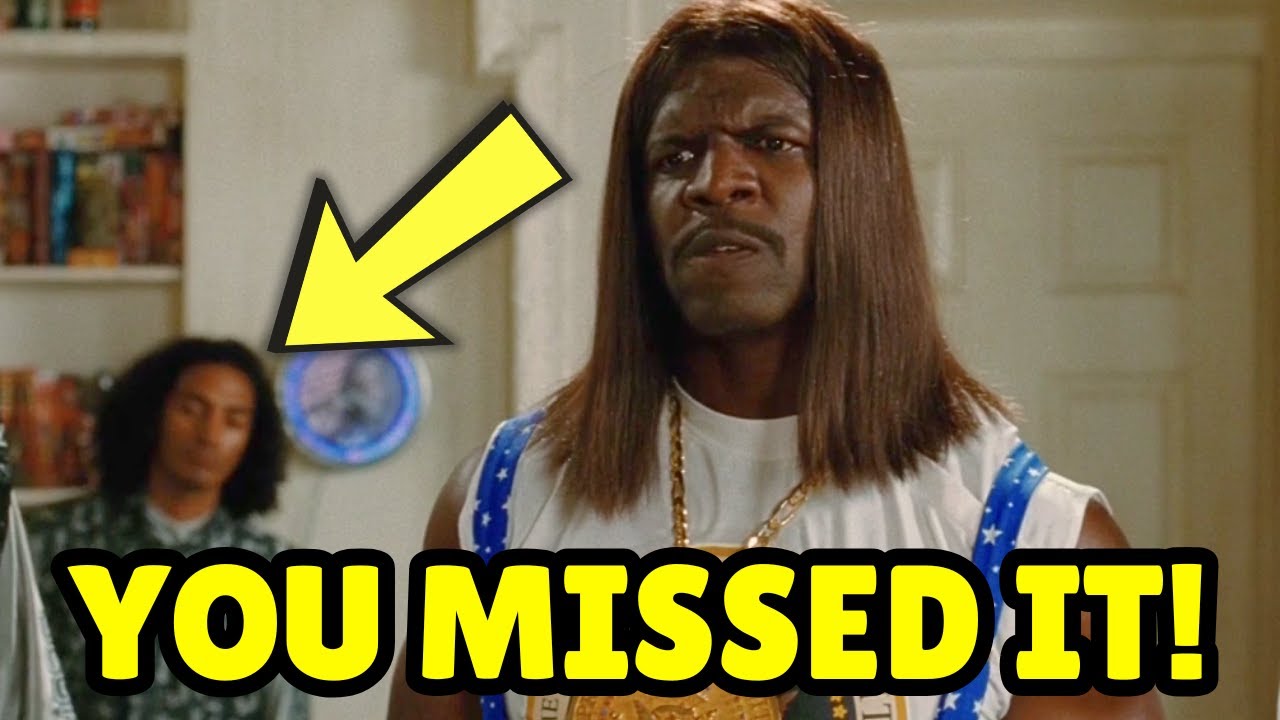
The joke seemed absurdly exaggerated when the movie released, but became disturbingly prescient with the rise of viral video culture. Terry Crews developed President Camacho by blending unexpected performance influences. He combined the rhythms and cadences of political speeches with the hyped-up energy of sports stadium announcers. His background as a professional athlete gave him intimate familiarity with that specific type of aggressive showmanship.
Many of Camacho’s wildest moments weren’t written in the script. Crews improvised speeches in the moment, surprising cast and crew with spontaneous, energetic deliveries. His unscripted additions often became the most quotable and memorable parts of his scenes. When Fox finally released the film, the strategy looked more like a cover-up than a premiere.
Promotional posters did appear in theaters, creating the visual appearance of a normal release. But no trailer, no television advertising, no press kits, and only two promotional photographs ever materialized. Journalists and theater employees found themselves confused by the bizarre mismatch. The film opened in just seven cities, an unusually tiny footprint that shocked industry observers.
Even as the release expanded, it reached only approximately 130 theaters at its widest point, far below normal wide release standards. Most fans and critics couldn’t see the movie anywhere near them. The limited footprint essentially guaranteed commercial failure regardless of quality. Early preview screenings had revealed significant audience confusion about the film’s intentions.
Test viewers thought the intentionally trashy aesthetic indicated cheap production values or unfinished work. Many didn’t recognize the degraded visual style as deliberate satire. Some viewers found the humor too dark, others thought it was trying too hard, and many simply didn’t know how to categorize what they were watching. These negative reactions made studio executives even more nervous, and the test screening data gave Fox justification for their fears.
The confused responses helped convince the studio that burying the movie was the safer financial decision. Judge fought to maintain a hopeful conclusion despite studio pressure for darker alternatives. He insisted the movie needed to end with an uplifting message: even in a collapsing society, one thoughtful person can still make meaningful, positive change. Fox executives pushed for more cynical endings that would reinforce the bleakness.
Judge refused to compromise. He understood that pure cynicism would make the satire feel hopeless and nihilistic. By including genuine optimism in the resolution, he transformed the film from mere mockery into something more constructive, a warning combined with encouragement. The energy drink Brondo, which dominates the movie’s future with absurd slogans and replaces basic necessities, existed purely as satire during production.
Fox never planned to manufacture it as an actual promotional item. But reality had other plans. After the film gained cult status, Omni Consumer Products and Redux Beverages licensed the brand from Fox in 2007 and released an actual neon green energy drink. The real product embraced every ridiculous element from the movie, turning fictional marketing into genuine store shelves.
Years after its forgotten release, the film experienced an unexpected cultural resurrection. Commentators and academics began citing it as a surprisingly accurate reflection of emerging cultural trends. Viewers noticed eerie parallels between the film’s fictional corporate mergers and actual consolidation happening in real industries. The once-dismissed comedy became a reference point in serious discussions about media consumption, education systems, and public discourse quality.
Jokes that seemed absurdly exaggerated in 2006 felt disturbingly plausible by the 2020s. What Fox tried to bury became required viewing for understanding certain aspects of modern culture. The movie that couldn’t get a proper trailer became one of the most referenced films of its era, its reputation evolving from box office failure to prophetic satire, vindicating Judge’s vision years after the studio abandoned it.
