On the evening of June 19, 1975, in the Chicago suburb of Oak Park, a sixty-seven-year-old man stood at the stove in the basement kitchen of his home, humming as he stirred a pan of sausages and peppers. He wore a loose robe, still recovering from recent gallbladder surgery, and was fixing a late snack for a guest seated at the table behind him. To anyone watching, he looked like a harmless grandfather enjoying retirement. Federal agents parked down the street were watching the house, as they always did.
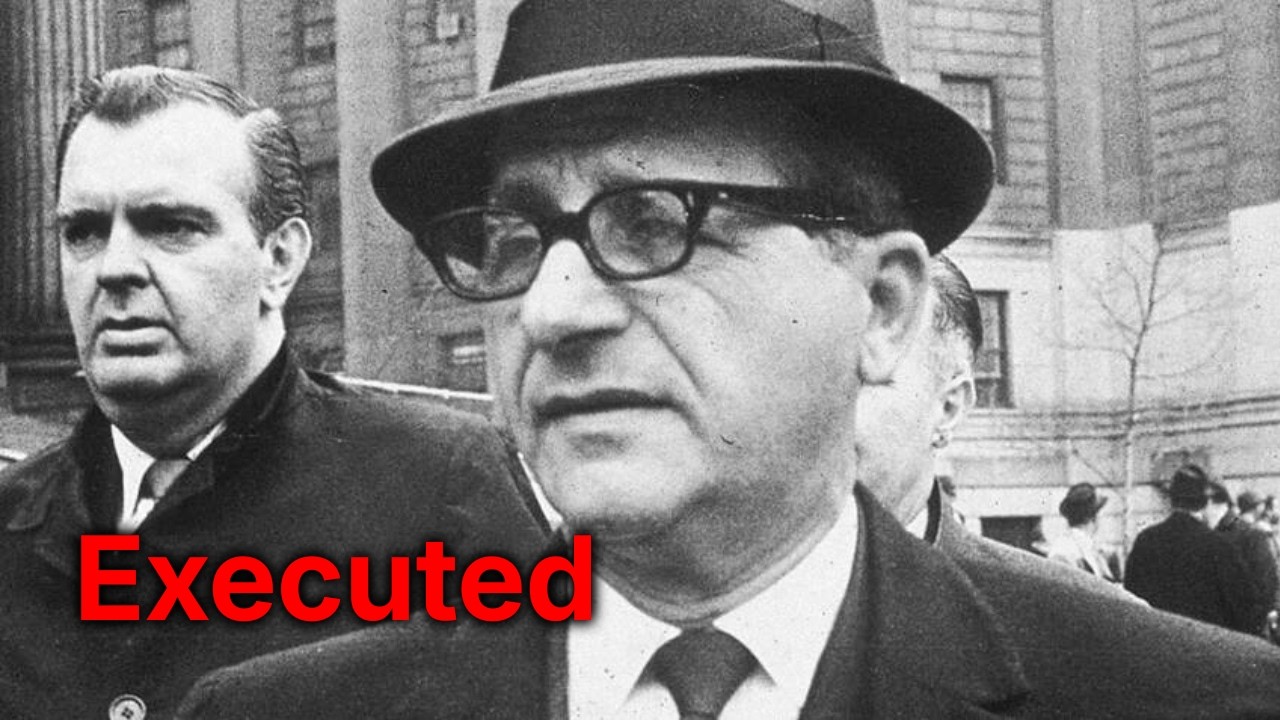
But the man at the stove was Sam Giancana, the former boss of the Chicago Outfit, the man who had once helped the CIA plot the assassination of Fidel Castro and who, by his own boast, had helped deliver the presidency to John F. Kennedy. There was no struggle that night. No scream.
A single shot from a silenced . 22 caliber pistol struck Giancana in the back of the head, severing his spine instantly. He fell forward onto the linoleum, the sausages still sizzling in the pan. The killer rose from the table, walked over to the body, turned it over with his foot, and fired six more shots into the dead man’s face and throat.
Giancana died in his pajamas, a spatula still in his hand, in a pool of his own blood. The murder was not the result of a gang war or a police raid or an ambush by rivals. Sam Giancana died because he had forgotten the first rule of the organization he had once led: nobody is bigger than the family. He was killed because he refused to share his gambling profits with the quiet men who controlled the Outfit from the Chicago suburb of River Forest, and because he was about to be called before a United States Senate committee.
In the brutal corporate structure of the Chicago mob, the man who wanted to be famous had become a liability, and the real power behind the throne, Tony Accardo, decided he had to be erased. The seeds of the killing were planted decades earlier. In the 1940s and 1950s, the Chicago Outfit was run by traditionalists like Paul Ricca and Tony Accardo. They were students of Al Capone, but they had studied his mistakes.
They understood that fame was dangerous, and they believed a gangster should look like a plumber or a retired salesman. They lived in the shadows and wanted to stay invisible. Then came Giancana, who was the opposite of invisible. He was a new kind of mobster, one who understood that in postwar America, a gangster could become a celebrity.
When he took over day-to-day operations in the late 1950s, he changed everything. He saw the potential of Las Vegas before almost anyone else and transformed the Outfit into a global enterprise, skimming millions from casinos like the Stardust and the Desert Inn, and expanding into the Caribbean, Central America, and the Middle East. The old guard tolerated his flamboyance because he brought in enormous cash. While Accardo stayed home with his grandchildren, Giancana flew to Hollywood, dated a famous singer, dined with Frank Sinatra, and openly mocked the FBI agents who tailed him.
At the height of his power, he even met with CIA operatives who wanted his help removing Castro from power. They discussed poison pills and sniper rifles. For Giancana, that partnership with the state was the ultimate proof that he was untouchable. But the golden era ended.
By the mid-1970s, the FBI was cracking down hard, and Giancana’s high profile no longer brought in money, it brought heat. The bosses in Chicago forced him to step down. He went into exile in Mexico, living in a luxury villa in Cuernavaca with servants and gardens, but he could not stop hustling. Even in exile, Giancana used the connections he had built as boss to set up gambling boats and international deals that the Outfit did not fully control.
The organization operates as a pyramid. Everyone who earns using the reputation of the Outfit must kick money up to the administration. The bosses in Chicago sent messengers to Mexico to demand their cut. Giancana refused.
He argued that since he was retired and the work was overseas, the money was his alone. He stopped paying, and he stopped showing respect. But money was only half of it. In 1975, the Senate’s Church Committee, investigating CIA abuses after Watergate, had subpoenaed Giancana to testify about the plots to kill Castro.
The hearing would be on national television, and the prospect terrified the Outfit. Accardo had spent forty years keeping the organization invisible. Silence was his religion. The idea of a bitter, angry Giancana, a man who loved the sound of his own voice, spilling secrets to save himself was an existential threat.
Accardo made the calculation. On one side was a greedy former boss stealing millions from the family. On the other was a loose cannon who could bring down the entire structure. The decision was made.
The order went out. Giancana had to be neutralized. Killing a man like Giancana was not simple. He was paranoid, and his Oak Park house was a fortress.
Ironically, the FBI provided his best security, keeping the street under twenty-four-hour surveillance. But on the night of June 19, the agents mysteriously disappeared. The reason remains unclear. Some theories suggest the CIA, terrified of what Giancana might say, used its influence to call off the surveillance and open the door for the hit.
Others say it was a shift change or a mundane administrative decision. Whatever the cause, the street was clear. The Outfit did not send a hit team with masks and machine guns. That is Hollywood.
In the real mafia, to kill a boss they use the ultimate weapon: intimacy. They sent a friend. The evidence has always pointed to Dominic Butch Blasi, Giancana’s driver, bodyguard, and confidant for thirty years. They had traveled the world together and shared secrets.
If there was one man Giancana trusted not to hurt him, it was Butch. Blasi came over late that evening. Giancana let him in, and they went down to the cool basement kitchen. Giancana offered to cook, took out the sausage and peppers, and turned his back to the stove.
The killer waited until his friend was distracted by the food, then drew the pistol. The first shot killed him instantly. The additional six shots, fired around the mouth and under the chin, were a message. In mob symbolism, it was the mark of a rat, a ritualistic execution saying that this man died because of his mouth, because he talked too much.
It was a direct reference to the Senate hearings, and it was Tony Accardo signing his name on the killing. The killer stepped over the body, left the stove burning, and walked out into the humid night. The aftermath unfolded exactly as Accardo had calculated. The Senate hearings lost their star witness, and the link between the CIA and the mafia evaporated with him.
The government was furious, but it could not subpoena a ghost. The millions Giancana had hidden vanished, partly absorbed by the Outfit and partly lost in offshore accounts. There was no war and no revenge in the underworld. The soldiers on the street understood the message instantly.
If Sam Giancana, a man with connections to the White House, could be killed in his own kitchen while cooking a snack, then no one was untouchable. The murder investigation went nowhere. Without a murder weapon, without witnesses, and with the Outfit closing ranks, the case went cold. Officially, it remains one of the most famous unsolved mysteries in American history.
On the streets of Chicago, it was never a mystery. It was just business. Tony Accardo remained in power for decades and died of natural causes in 1992, having never spent a single night in jail for a felony. He outlived Giancana, the Senate hearings, and the golden age of the mob.
He won because he understood what Giancana had not: in the mafia, invisibility is a superpower, and fame is a death sentence. Sam Giancana spent his life wanting to be more than a thug from Chicago, but he died the most cliché gangster death possible, betrayed by his best friend over money. All the glamour and arrogance ended with seven bullets from a silenced pistol. There is no retirement plan in the Chicago Outfit, only the day you become a liability.
On June 19, 1975, Sam Giancana’s bill came due.
