Born Conetta Rosa Maria Franconero in 1937 in Newark, New Jersey, the woman the world would come to know as Connie Francis grew up in a working-class Italian-American household where music was not a choice but a calling. Her father, George Franconero Sr. , was strict, controlling, and fiercely ambitious. He believed his daughter was destined for greatness and pushed her toward it before she turned ten.
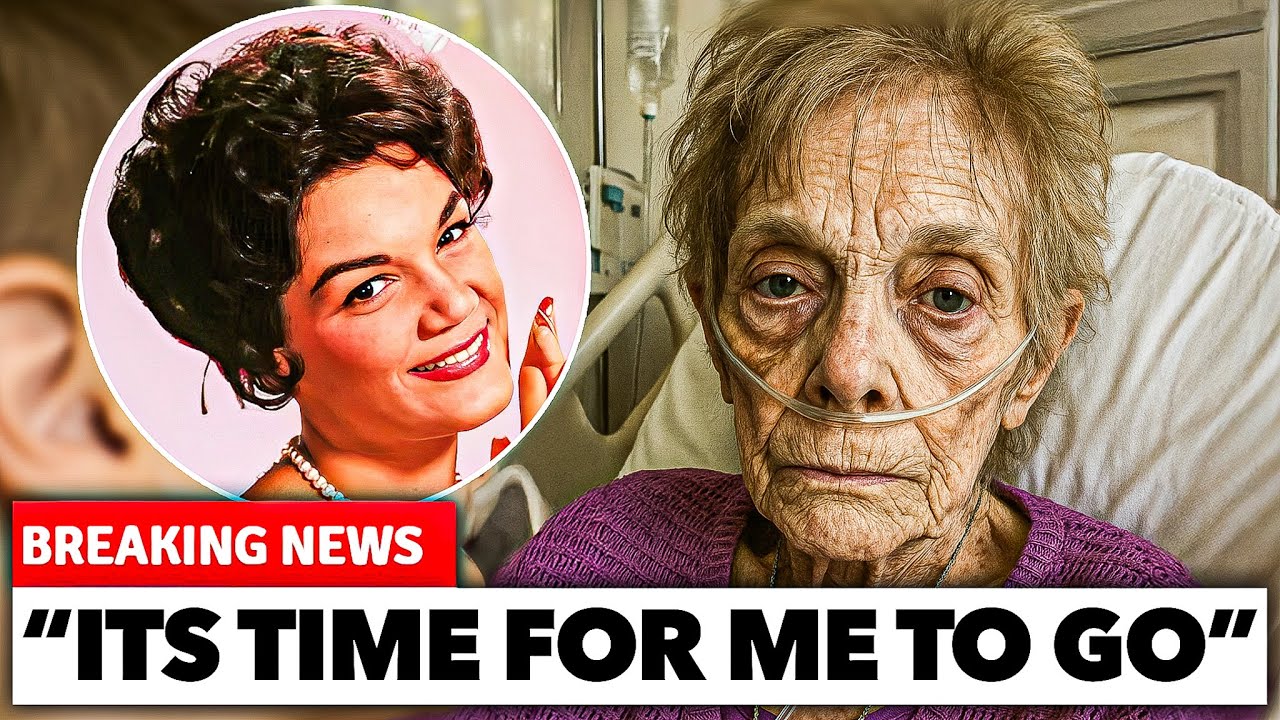
By age four, she was performing at neighborhood parties and church functions. By ten, she was playing the accordion and singing on local radio, with her father managing everything from what she sang to who she saw. Fame was never an accident. It was a mission.
Her breakthrough came on Arthur Godfrey’s Talent Scouts, one of the most popular television shows of the early broadcast era. The appearance brought her a manager, a growing fan base, and record label offers. But her first singles made little impact, and she was nearly dropped. Then came 1958 and “Who’s Sorry Now,” a song written in 1923 that she transformed into a raw, vulnerable hit.
It launched her into stardom. From there the hits followed in rapid succession: “Stupid Cupid,” “Lipstick on Your Collar,” “Everybody’s Somebody’s Fool. ” She sang in multiple languages and charted around the world, becoming the first woman in history to have a number one single in both the United States and the United Kingdom. Yet behind the records and the sold-out shows, her life was tightly controlled.
Her father forbade her from dating. When she fell in love with fellow star Bobby Darin, the relationship was secret and serious. Darin proposed. George Franconero threatened him with violence and forced him out of her life.
Connie never forgave her father. She later described that moment as the one where her heart permanently broke. She had fame, fans, and fortune, but not freedom. Every step forward came with someone else pulling the strings.
By the early 1960s, she was more than a pop singer. She was America’s sweetheart. Her voice could break hearts and heal them in the same breath. She starred in Hollywood films, including “Where the Boys Are,” and recorded in Italian, German, Spanish, Yiddish, and Japanese.
She was everywhere. She was also increasingly alone. Her schedule was brutal: late-night studio sessions, international flights, back-to-back shows. There was no time for real friendships or love.
To the outside world, she was glamorous and lucky. Inside, she felt trapped in an image she did not choose, living a life that was not entirely her own. Her songs were soaked in longing and regret because she was living those emotions behind the curtain. And then the Beatles arrived.
The music scene shifted, and the ballads that had made her famous fell out of favor with teenagers. Connie tried to adapt, recording more modern material, but the chart success faded. She was tired, mentally, physically, and emotionally. In 1967, she stepped back from performing to rest and recover.
Before she could find peace, the worst chapter of her life began. In 1974, after a comeback performance at the Westbury Music Fair in New York, she checked into a nearby hotel. That night, a man broke into her room and raped her. She disappeared from public life immediately.
No new music came out. The bubbly, smiling voice of America went silent, and no one knew if she would ever return. The attack broke more than her spirit. It nearly took her life.
She retreated from the public eye, crippled by fear, paranoia, and shame. The man responsible was caught and convicted, but the damage was already done. What followed was a long period of mental and emotional collapse. She went in and out of psychiatric institutions more than a dozen times.
She was diagnosed with manic depression, now known as bipolar disorder, and began a cycle of treatment that included hospitalization and medication. She could no longer sleep in the dark. She could not stay in hotel rooms. At one point, her own mother had to call emergency services after Connie attempted to take her own life.
Her condition worsened after the death of her brother, George Jr. , in 1981. He had been her protector, one of the few people she trusted. He was killed in a shooting, and the loss sent her deeper into isolation.
Financial struggles followed. Although she had made millions at her peak, medical expenses, legal battles, and long periods of inactivity drained her wealth. She filed lawsuits, most famously against the motel where she was assaulted, winning a record-setting $2. 5 million judgment.
But the emotional cost was incalculable. She moved from a Hollywood Hills mansion to quieter, more modest homes in Florida and New Jersey. Still comfortable, but far from the glitz that once defined her world. Despite everything, she refused to let her legacy disappear.
In the 1990s and early 2000s, she returned to the stage, this time on her terms. Her shows were no longer about topping the charts. They were about healing, resilience, and remembering. She sometimes cried on stage.
She spoke about her past with unfiltered honesty. Through advocacy work, she spoke out about mental health, sexual assault, and the pressures of fame. She did not want pity. She wanted people to understand what it had cost her to stay alive.
Her memoir, “Who’s Sorry Now,” became a bestseller, offering a brutally honest look at the ups and downs of her life. Her personal life remained troubled. She married four times, and each relationship ended in heartbreak. The most publicized marriage, to Bobby Darin’s former manager Dick Canelis, lasted only a few months.
She admitted she never truly found lasting love. She had long wanted to be a mother, but the chaos of her youth and the trauma of her adulthood made it difficult. She never had biological children, one of the few regrets she openly discussed in her later years. She considered her fans her family, and in return they embraced her as a mother figure.
As she aged, her health declined. Years of medications, surgeries, and a life lived at full speed took their toll. She underwent several operations on her vocal cords, leaving her voice diminished but still recognizable. In her Florida home, she found sanctuary.
It was decorated with memorabilia, photos, and letters from fans that reminded her she had not been forgotten. She began each morning with classical music, a cup of tea, and old scrapbooks filled with magazine clippings and tour photos. She kept a photo of her parents by her bedside and still hummed the lullabies her mother once sang. The grief over her brother never fully healed.
On the anniversaries of his death, she lit a candle and sat quietly for hours. She spoke candidly about her depression, PTSD, and hospitalizations, helping destigmatize those issues for older women who had grown up believing such subjects were taboo. She funded programs that helped victims of violence and stood firmly as a voice for women who had none. In doing so, she redefined her legacy.
No longer just the girl who sang “Who’s Sorry Now,” she became the woman who survived everything. Her finances, once shaky, stabilized in her later years through shrewd decisions and continued royalties from her catalog. She owned her home outright and lived without debt. She was not wealthy in the flashy Hollywood sense, but she was rich in freedom, memory, and peace.
Connie Francis died at the age of 87. She had been America’s sweetheart, the voice behind “Where the Boys Are,” and a symbol of love, heartbreak, and resilience. Her story was not one of flawless triumph. It was one of survival through tragedy, silence, and slow recovery.
She lived. She loved. She hurt. She healed.
And in the end, she did something few stars from her era managed. She outlasted the industry that made her, and she made peace with the pain that nearly destroyed her.
