
OTTAWA — What was once considered a remote and frozen frontier is now emerging as a potential game-changer in global logistics. Canada has begun quietly upgrading a strategic Arctic rail corridor — a move that analysts say could gradually shift major trade flows away from traditional U.S. transport infrastructure.

The project, centered on the Hudson Bay Railway line leading to the Port of Churchill in northern Manitoba, has been the subject of low-profile but significant investment. Track upgrades, expanded terminal capacity, and extended shipping seasons are transforming what was once a seasonal novelty into a year-round contender.
At first glance, the project may appear to be a regional development effort — a nod to northern communities and resource extraction. However, its broader implications are drawing serious attention from logistics experts, trade economists, and foreign policy analysts.
If northern rail connections and Arctic port access become more efficient and reliable, companies could gain alternative pathways to move goods between North America, Europe, and Asia. This would reduce dependence on long-established U.S. rail networks, highways, and shipping hubs that have dominated continental trade for decades.
“The United States has long assumed that its transportation infrastructure is irreplaceable,” said one supply chain economist. “This project challenges that assumption. Not immediately. But over time. And time is what infrastructure is all about.”
The numbers are preliminary but suggestive. The upgraded rail line can now handle heavier payloads and more frequent shipments. The port of Churchill, once limited to a few months of summer navigation, is benefiting from longer ice-free seasons due to climate change — an unintended but welcome consequence for trade planners.
A stronger Arctic route could also influence shipping costs, delivery times, and even geopolitical leverage. Businesses constantly seek faster and more cost-effective logistics solutions — and new northern corridors may offer exactly that.
For Canadian exporters, particularly in the prairie provinces, the Arctic rail corridor offers a shorter route to European and Asian markets than existing routes through U.S. ports. That means lower costs and faster delivery — a competitive advantage that could reshape agricultural and resource trade.
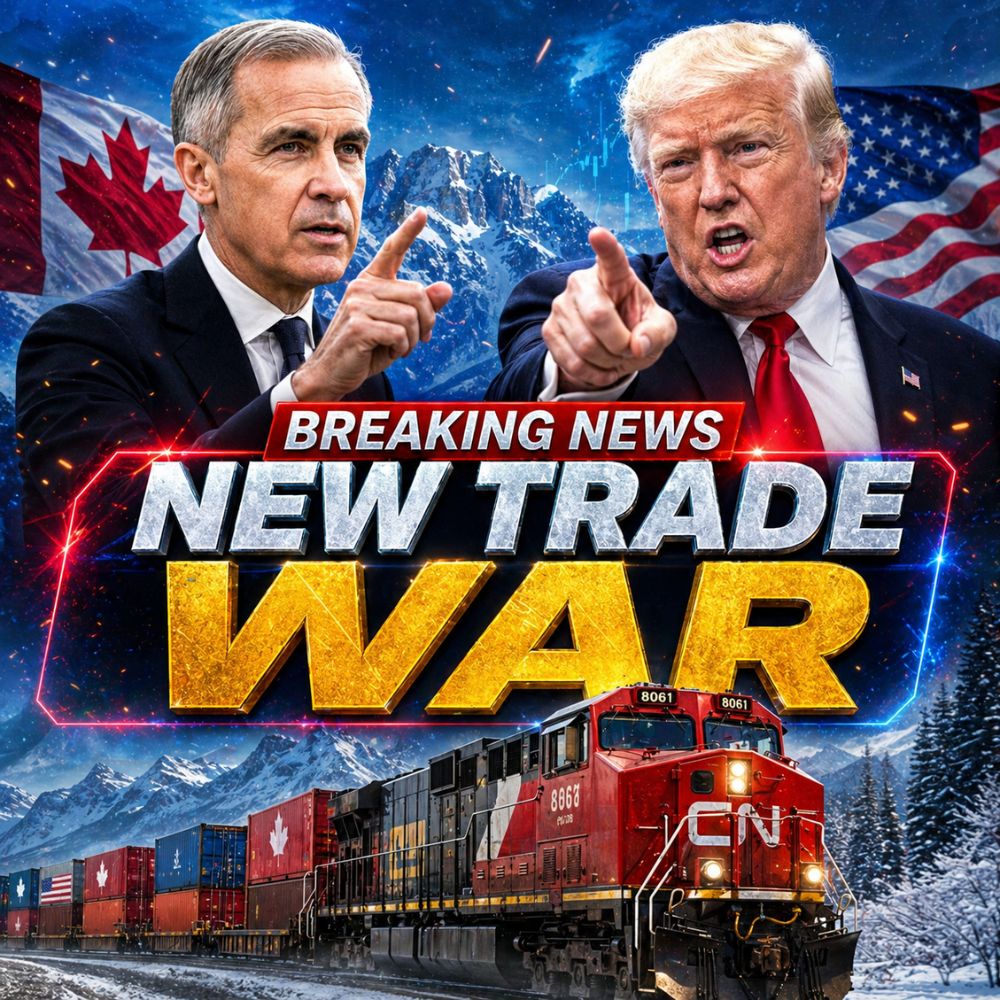
For the United States, the implications are more complicated. Every barrel of Canadian grain that ships through Churchill rather than Minneapolis or Seattle is a barrel that does not flow through American infrastructure. Every ton of potash that leaves from Hudson Bay rather than from Portland is a ton that does not generate U.S. logistics revenue.
“This is not about a trade war,” said one Canadian official. “This is about diversification. And diversification is simply good business.”
The project has also attracted international interest. European and Asian logistics firms are reportedly exploring agreements with the port authority, seeking to secure access to what they see as a strategic hedge against disruptions in traditional routes.
For policymakers and investors alike, the development raises a critical question: could the balance of trade infrastructure power in North America be entering a new phase? The answer, for now, is uncertain. But the question itself would have been unthinkable a decade ago.
The Canadian government has been careful not to frame the project as a challenge to the United States. Prime Minister Mark Carney has emphasized economic development and regional connectivity. But the subtext is unmistakable.
If momentum continues to build, this project may signal the beginning of a significant shift in how and where goods move across the continent — transforming not just supply chains, but economic relationships as well.
The Arctic rail upgrade is quiet. It is gradual. And it is happening now. Whether it remains a footnote or becomes a turning point will depend on execution, investment, and the willingness of shippers to embrace new routes.
But one thing is already clear: the old maps of North American trade are being redrawn. And Canada, quietly, is holding the pen.