The evening crowds at Steak and Ale had no idea they were witnessing the beginning of an era. Norman Brinker had opened the doors in 1966 with a simple formula: quality steak, Tudor-style architecture, and prices that didn’t require a special occasion. The dark wood interiors, the warm lighting, and the famous mobile salad cart—a rolling display of greens, toppings, and dressings that came to your table—made dining feel like an event rather than a meal. For decades, the formula worked.
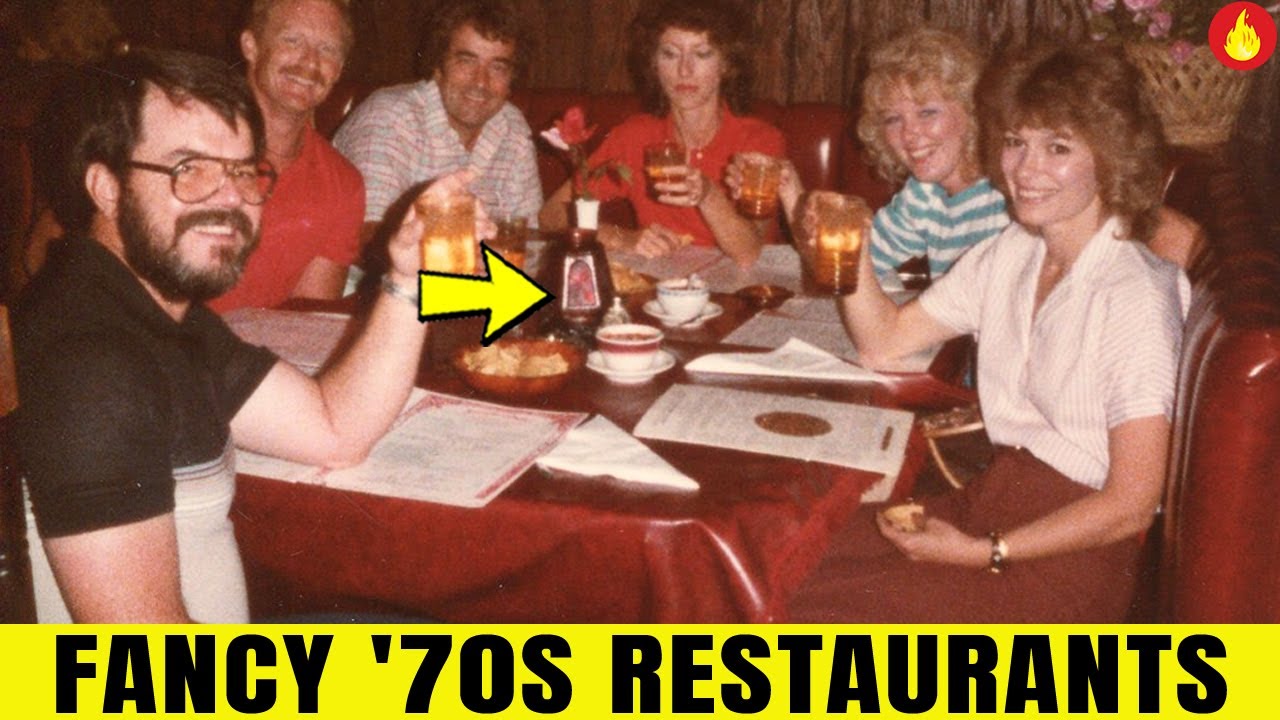
Birthday dinners, anniversaries, and quiet weekend evenings happened under those timbered ceilings. Then came 2008, the bankruptcy filing, and the slow folding of a chain that had once defined affordable elegance. It seemed like another name consigned to history—until 2024, when Steak and Ale unexpectedly reopened in Texas and the Midwest, betting that the taste for its particular kind of nostalgia had never really gone away. The 1970s were a golden age for American dining, when a meal out wasn’t just about food but about experience.
Across the country, chains rose on the strength of atmosphere, novelty, and generosity, and most of them fell when those qualities stopped mattering. Few vanished overnight. Most decayed slowly, through bankruptcies, mergers, and shifting tastes, leaving behind only photographs and the memory of a particular dish. Dan Blocker, the actor who played Hoss on the television series *Bonanza*, lent his name and persona to Bonanza Steakhouse when he helped found it in 1963.
The restaurant leaned into the Wild West theme hard—wagon wheel chandeliers, rustic wood interiors, and a menu built around charbroiled steaks with rich flavor and perfect tenderness. Bonanza also pioneered the all-you-can-eat salad bar, offering diners freedom and variety that few competitors could match. The place served everything from hearty T-bones to fillets that melted on the tongue, all alongside crispy fries and creamy mashed potatoes. Families adopted it for special occasions, drawn by affordable prices and consistent quality.
But the chain could not escape its own success turning into a burden. Financial crisis hit, and in 2008 Bonanza filed for bankruptcy, closing over a hundred locations at once. Modern competitors and changing tastes eroded what remained. By 2023, only three Bonanza branches still operated in the United States.
Ponderosa Steakhouse followed a similar arc. Established in 1965 by steak-loving entrepreneurs, it brought quality steak dining to the suburbs and made it accessible to families who might otherwise never have considered such a meal. Rib and T-bone steaks were the stars, backed by a buffet of creamy mashed potatoes, sweet buttered corn, and fresh crisp salads. At its peak in 1989, Ponderosa boasted more than 700 locations, one of the largest steak chains in the country.
It wasn’t just food; it was a warm, friendly space where people relaxed and celebrated together. The decline was inevitable, by the force of the market. In 2008, the company began liquidating assets and more than 300 establishments closed without warning. By the end of 2023, only 13 locations remained, a stark measure of how quickly a household name could shrink.
Norman Brinker’s Steak and Ale carved out its own niche as the place for affordable steak in a setting that felt more expensive than it was. The brand pioneered the concept of quality steak without the premium price, and the architecture—Tudor-style, with dark wood and warm lighting—gave it an elegance that set it apart. But the signature was the mobile salad cart, which let diners customize their salads at the table, a novel personal touch. Steak and Ale became the setting for birthdays, anniversaries, and cozy weekend dinners, a harmony of affordability and sophistication.
The 2008 bankruptcy ended that chapter, but the 2024 revival suggested the concept still held appeal. For shoppers in malls, York Steakhouse filled the gap between fast food and fine dining. Founded in 1966, it offered sirloin steaks, filet mignon, and hearty hamburgers with cafeteria-style service that made steak accessible to anyone with a shopping list and a lunch break. The sides—creamy mashed potatoes, fragrant buttered bread—rounded out the meal.
For years it was a gathering place for families, friends, and couples on a budget. But the fast food boom of the 1980s and shifting preferences wore it down, and by 1989, most locations had closed. Larry Elman founded Beef Steak Charlie’s in 1976 with an unlikely philosophy: “I’ll feed you like there’s no tomorrow. ” The menu included steaks, burgers, seafood, and salads, but the real draw was the self-service salad bar and the unlimited shrimp, wine, and sangria that came with every meal.
The generosity made it a favorite for families and young professionals. It also made it impossible to control costs. The chain signed a merger agreement with Bombay Palace Restaurants, slowly losing its identity, and by 1992 only two locations remained. One closed; the other became Joe Franklin’s.
The Brown Derby belonged to a different world entirely. Opened in 1926, its building was shaped like a golden-brown derby hat and it defined Hollywood dining. Movie stars, directors, and industry power brokers gathered there to eat, sign contracts, and be seen. The menu featured premium steaks and fresh seafood, but the most enduring legacy was the Cobb salad, invented in the kitchen.
Caricatures of celebrities lined the walls, and discreet booths allowed famous patrons to dine away from curious eyes. The ownership changed constantly over the years, and as tastes shifted toward casual dining and costs rose, the original location closed abruptly in the 1980s. The building was demolished for a shopping center, though the hat-shaped dome was preserved as a relic of its glamorous past. No one who drove across America in the 1970s could miss Howard Johnson’s bright orange roofs.
Founded in 1925, the chain became an essential stop on road trips, known for its burgers, fried chicken, milkshakes, and sundaes—and for 28 different ice cream flavors that made it a destination for every age. At its height in the 1960s and 1970s, it was one of the largest restaurant chains in the country and expanded into motor lodges, creating a roadside service empire. The rise of McDonald’s and Burger King, combined with changes in highway travel, eroded its market. The last Howard Johnson’s closed in 2022.
Victoria Station traded on the romance of rail travel. Founded in 1969, the restaurant used actual train cars as dining rooms, recreating the bustle of a station with vintage interiors and echoing train whistles. The menu offered steaks, seafood, burgers, and a popular salad bar, but the setting was the real attraction. The chain peaked in the 1970s with 100 locations and became a favorite of baby boomers seeking a one-of-a-kind experience.
Economic challenges mounted, and by 1992, Victoria Station had vanished from the American landscape. Trader Vic’s transported diners to a tropical island in the middle of the city. Victor Jules Bergeron Jr. —known as Trader Vic—created the restaurant in 1934, filling it with bamboo lanterns, tribal patterns, and relaxed music.
The menu blended Polynesian dishes with BBQ ribs and signature cocktails served in tiki mugs, and the restaurant was the birthplace of the Mai Tai. Celebrities and socialites flocked to it during the tiki craze of the 1950s and 1960s. When the craze faded, so did the chain, shrinking through the 1980s and 1990s as younger generations sought fresher experiences. By 2024, only three locations remained.
The Magic Pan brought French crepes to America with an unlikely tool: an automatic crepe-making machine. Hungarian immigrants Ilona and Peter Fono founded it in the 1960s, and the advanced technology produced thin, uniform crepes quickly and efficiently. The menu ran from savory chicken divan and mushroom spinach crepes to sweet crepes suzette and strawberries with sour cream, all in an elegant European setting with French onion soup and a refined wine list. The Quaker Oats Company acquired the chain in 1970.
In 2005, Lettuce Entertain You Enterprises revived the name as a fast-food crepe stand, but without the original machines, the magic was gone—a fine dining experience reduced to a quick-service kiosk. The Velvet Turtle offered premium dining at moderate prices. David Taliaferro founded it in 1961, and the chain became known for prime rib, filet mignon, seafood, and desserts served in a sophisticated setting with plush curved booths and ornate decor. The professional service, especially tableside cooking, made special occasions memorable as diners watched their dishes prepared in front of them.
Ownership changed in 1986, and the chain closed in the 1990s, a casualty of an industry where even beloved names struggled against new trends. The Red Coach Inn, founded in 1923, felt like stepping into an old red brick English tavern. It blended American colonial tradition with English pub style, serving quality steaks, hearty stews, creamy mashed potatoes, chocolate cake, and fresh fruit pies. Locals and tourists alike cherished it for exceptional service and quality, a place for celebrations and special occasions.
Changing preferences led to decline across the country, but some locations still operate today, preserving the legacy. The Ground Round came from Howard Johnson’s in 1969, and it smelled like fresh popcorn from the moment you walked in. With cozy booths, bar seating, and unlimited free popcorn, it was one of the first casual family entertainment restaurants in America, showing silent films and cartoons on the walls. The menu ran from burgers to fried chicken and appetizers at affordable prices.
Competition and market shifts took their toll. In 2004, the chain filed for bankruptcy, and nearly half its restaurants closed abruptly. Only two or three locations remain. Houlahan’s opened on April 1, 1972, blending classic American dishes with a modern, trendy flair.
The extensive menu covered steaks, burgers, salads, pasta, and signature cocktails and beers, making it a place to unwind after work or gather with friends. It expanded rapidly, with 60 percent of the chain eventually franchised. The original location closed in November 2002. Rax Roast Beef began in 1967 when Jack Rashman created a fast food chain known for thinly sliced, medium-cooked roast beef—a departure from the burger-dominated market.
Besides roast beef, it offered fried chicken, sides, and desserts, with a warm wood interior, real plants, and an endless salad bar. Rashman sold the chain to General Foods in 1969. By 1996, Rax faced bankruptcy, and after a series of ownership changes, it could not recover. As of March 2024, only six locations remain.
Sambo’s, founded in 1957 by Sam Battistone Sr. and Newell Bohnett, pioneered all-day breakfast, serving pancakes, bacon, omelets, and coffee whenever diners wanted them. Large portions and reasonable prices helped it grow to over 1,100 locations. But the name itself became the chain’s downfall, drawing protests and legal challenges over its similarity to a character in a children’s book.
Financial difficulties and public pressure forced cutbacks in the 1980s. The final branch in Santa Barbara closed in 2020. Chi-Chi’s brought Mexican cuisine to the American mainstream in 1975. Founded by Marno McDermott, the chain served sizzling fajitas, rich enchiladas, crispy tacos, and chimichangas amid colorful decor, lively music, and signature margaritas.
At its peak, it had over 200 locations. In 2003, a hepatitis A outbreak was linked to contaminated green onions at one location, causing illness and death. The chain filed for bankruptcy in 2004 and closed its remaining restaurants. Gino’s Hamburgers was founded in 1957 by football legend Gino Marchetti and business partner Louis Fischer.
The menu was simple—hamburgers, fries, milkshakes—but the signature Gino Giant, with two beef patties, cheese, lettuce, tomatoes, and special sauce, won loyal fans. The chain expanded rapidly, partnering with Kentucky Fried Chicken and reaching over 300 locations. Fierce competition from McDonald’s and Burger King made survival difficult. In the late 1980s, Marriott Corporation acquired the company and phased out the Gino’s brand.
Sandy’s, founded in 1958, became a favorite with burgers, fries, and milkshakes at affordable prices, and even set a standard for airport dining. It grew throughout the 1960s and 1970s. But it struggled against larger chains, and in an attempt to survive, 90 percent of its restaurants merged with Hardee’s. The last Sandy’s closed in 2007.
Le Peep arrived in 1988, later than the others, and became known for omelets, pancakes, crepes, fresh juices, and unlimited brewed coffee. The chain expanded nationally and built a loyal following for its hospitality and comfort. After 34 years, public health regulations and changing dining habits took their toll, and the original establishment ceased operations. These restaurants didn’t just serve food.
They created the backdrop for childhood birthday parties, family road trips, first dates, and quiet anniversaries—priceless memories that no bankruptcy or merger can erase. The orange roofs are gone, the train cars have stopped rolling, and the hat-shaped dome stands empty above a shopping center. But someone still remembers the first bite of a Cobb salad at the Brown Derby, the jingle of salad cart wheels at Steak and Ale, and the smell of popcorn at the Ground Round.
The buildings closed, but the memories remained, waiting for the next generation to ask what was lost.






