The plane had only been in the air a short while, a small aircraft carrying a handful of passengers back from the French coast on a routine summer crossing. Among them was Lady Rosemary Leveson-Gower, Viscountess Ednam, thirty-six years old, beautiful, admired, at the center of the glittering circle of British aristocracy between the wars. The flight was meant to end quietly. Instead, over the village of Meopham in Kent, the aircraft broke apart in midair and fell to the earth.
There were no survivors. The nation woke to front-page headlines, and the social world Rosemary had moved through lost several of its most loved figures at once. How a life of such promise, duty, and devotion came to that sudden end over an English field is a story that begins long before the engines failed and the wings gave way. Rosemary Millicent Leveson-Gower was born in 1893, the daughter of the Duke and Duchess of Sutherland.
Her father belonged to one of the wealthiest families in Britain, a house of great estates and a famous name. Her mother, Millicent, was a celebrated hostess, admired for her charm, her intelligence, and her work for good causes. Rosemary grew up with brothers, surrounded by the writers, artists, and politicians who passed through her mother’s drawing rooms. By most accounts, she was graceful, kind, and quietly spirited.
She had the kind of beauty that made people look twice, but she also had a gentleness that made them stay and talk. For a young woman of her rank, life did not begin with a job in any usual sense. Her path was marked by social duty. She was introduced to society as a young lady, learning to move through a world of balls, dinners, and carefully watched conversations.
It was a life that looked effortless, but it required discipline and poise. Every outfit was noticed, every guest list discussed. A woman of her position was expected to be perfect, to manage great households, and to keep her feelings private. Then the First World War arrived and changed everything.
The glittering world she had known gave way to sorrow and service. Her mother became deeply involved in wartime relief work, and the family was drawn into the effort to help the wounded. For a young woman raised in comfort, it was a time of growing up quickly. Those years taught her that privilege came with responsibility.
Her family gave her a sense of purpose and a place in a world that could be cold and demanding. The role that defined Rosemary came when she married. In 1919, she became the wife of William Humble Eric Ward, known as Viscount Ednam, heir to the Earl of Dudley. The wedding united two famous families, and Rosemary became Viscountess Ednam.
She stepped into the role of a rising figure in society, with a place in the great houses and the grand gatherings of the age. She was admired not only for her looks, but for her warmth. Newspapers and society columns followed her, and she became a familiar name in the glamorous world of the 1920s. It was a decade of jazz, fashion, and freedom, and Rosemary moved through it with elegance.
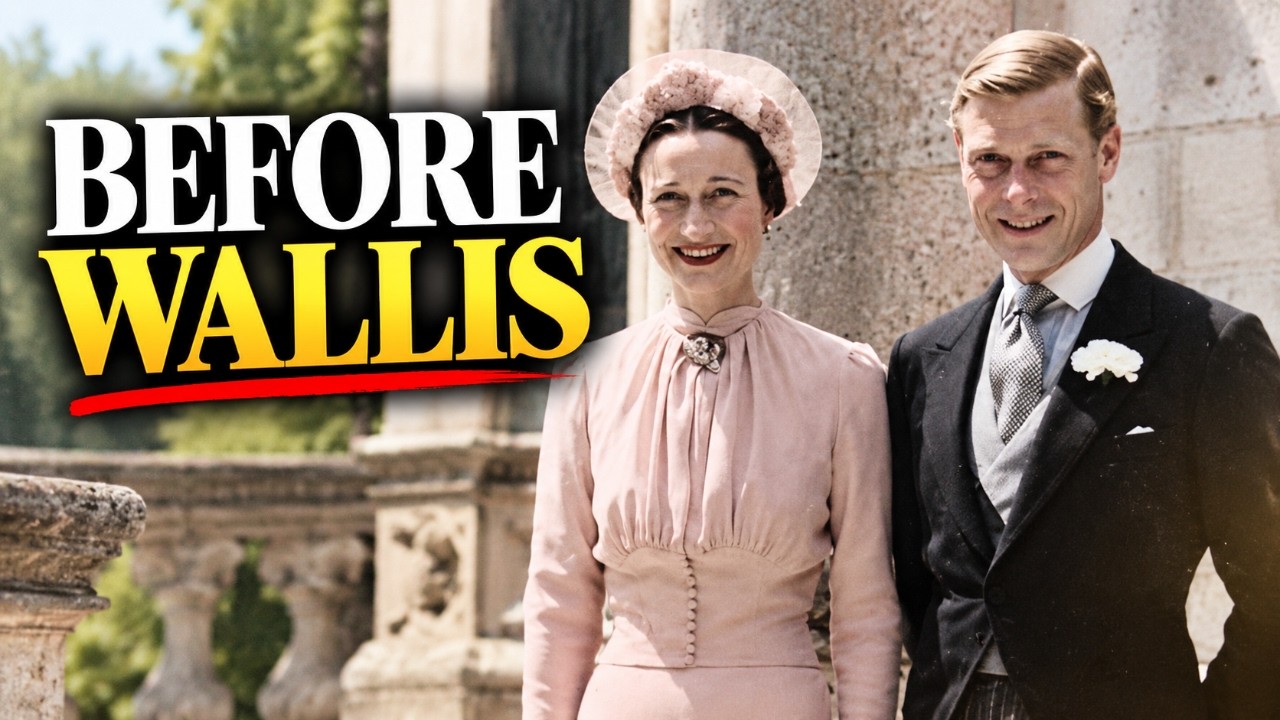
She belonged to the same bright circle that would soon be swept up in the era’s most famous royal romance, the world of the Prince of Wales and later Wallis Simpson. Yet behind the scenes, not all was as sunny as it seemed. The beautiful surface left little room for the real person underneath. Life after the early years of her marriage settled into a pattern of motherhood and duty.
She raised her children while carrying the responsibilities of her husband’s family, and she kept her place in the busy social calendar. She was not a woman who chased headlines, and that is part of why her name is not as famous today as it might be. Many women of that world lived lives full of influence and charm, yet were remembered only as the wife of this lord or the daughter of that duke. Their own stories slipped quietly away.
Rosemary’s life, so full of promise, was shaping up to be one of them. She was not caught up in a famous lawsuit or a public feud. Her story did not have a villain. What it had instead was a terrible sudden moment that no one could have predicted, and that moment became the great drama of her life.
As for love, Rosemary’s marriage to Eric Ward was the center of her adult world. Together they built a family and shared the demanding life of the upper aristocracy. Reportedly, they were seen as a handsome and well-matched couple, comfortable in the world they had been born into. Her children were the heart of her days, and the people closest to her, her husband, her parents, and her brothers, formed the circle of love around her.
Unlike many stories of the fallen great, hers does not include ruin or poverty. There was no slow decline, no lonely retirement in a shrunken home. The sadness of her story is of a different kind. It is the sadness of a life that ended while it was still unfolding, with so many years that should have followed.
In the summer of 1930, air travel was still new and thrilling, a modern marvel for those wealthy enough to try it. Rosemary boarded a small aircraft returning from the French coast, along with several other passengers, including the Marquess of Dufferin and Ava. It was a short flight that should have ended quietly. Instead, the plane broke apart in the air over Meopham in Kent, and fell to the ground.
There were no survivors. Rosemary, the beautiful Viscountess Ednam, was gone in an instant. The nation was stunned. Newspapers carried the story on their front pages, and the loss was felt across the social world she had lived in.
A group of well-known and well-loved people had been taken at once, and the tragedy became one of the most talked about air disasters of the era. In the aftermath, there were rumors and endless speculation. People wondered what had gone wrong and who might be to blame. An official inquiry looked into the cause, and the conclusion pointed to the aircraft itself failing in flight rather than any wrongdoing.
It was a cruel reminder that the new age of speed carried new dangers. Her husband, left with their children, faced the loss with great sorrow. In later years, he inherited the title of Earl of Dudley and went on to marry again.
But Rosemary’s place in the family story remained, and her children grew up carrying the memory of a mother taken far too soon.
