
Ivanka Trump’s Testimony Draws Intense Focus as Civil Fraud Trial Enters Critical Phase
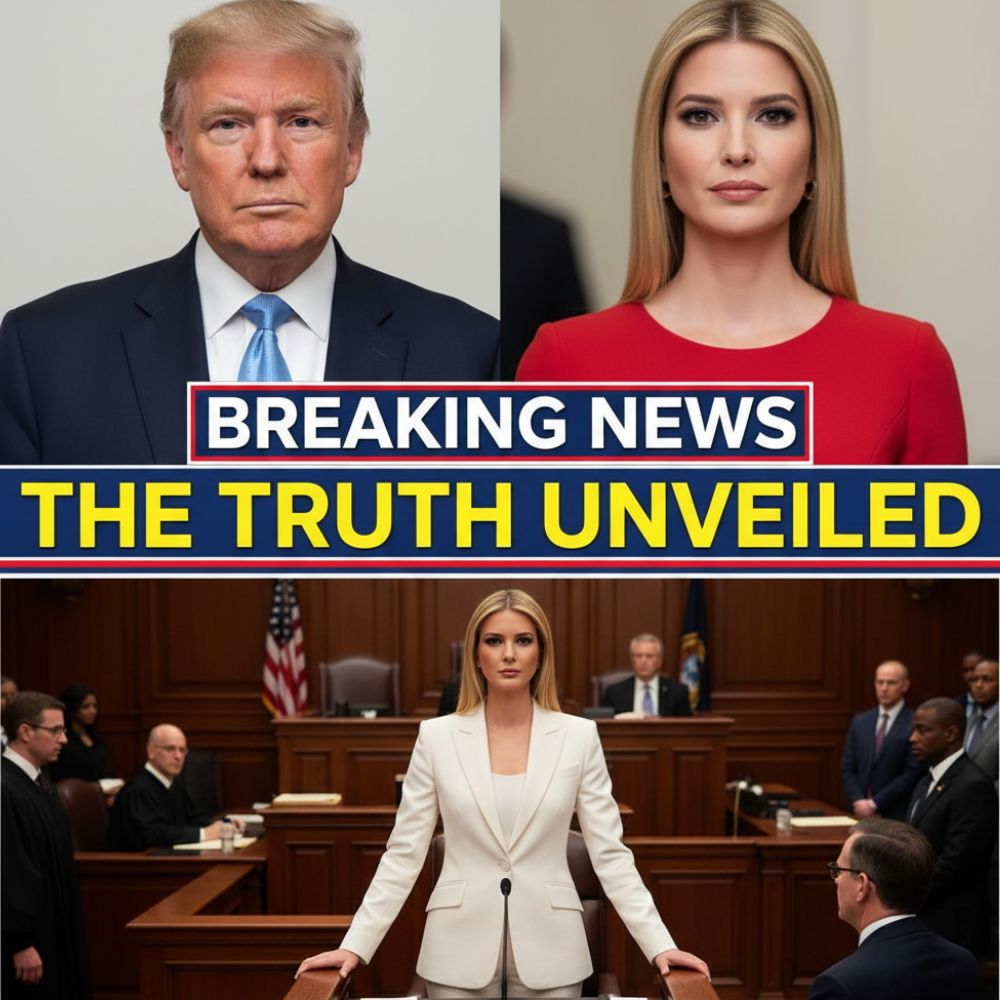
The courtroom fell quiet as one of the most closely watched witnesses stepped forward. When Ivanka Trump took the stand in the high-profile civil fraud case involving Donald Trump and the Trump Organization, legal observers knew the moment could reshape the narrative surrounding the trial.
She was not listed as a defendant.
But her role inside the company made her testimony impossible to ignore.
A Witness With Insider Knowledge
The case, led by Letitia James, centers on allegations that financial statements were manipulated to inflate asset values, allowing the Trump Organization to secure more favorable loan terms from major lenders, including Deutsche Bank.
For prosecutors, the key question is straightforward: who reviewed the financial records, and who signed off on the numbers?
That’s where Ivanka Trump’s testimony became crucial.
As a senior executive who played a visible role in negotiations with banks and lenders, she had firsthand exposure to the company’s financial dealings. Her responsibilities included interacting with financial institutions and helping manage relationships that supported major real estate projects.
So when she took the stand, expectations were high.
“I Do Not Recall” — A Phrase That Echoed Across the Courtroom
Throughout her testimony, Ivanka repeatedly used a phrase that quickly became the focus of attention: “I do not recall.”
Over and over, she emphasized that she was not directly responsible for preparing financial statements and did not remember reviewing many of the specific documents at the center of the case.
To legal observers, that pattern carried strategic significance.
By distancing herself from direct involvement, she positioned herself outside the decision-making chain prosecutors are attempting to establish. At the same time, her statements raised new questions about internal oversight—particularly within an organization that previously claimed its financial statements were thoroughly reviewed by experienced executives.
If senior leadership was not closely examining these documents, critics argue, that absence could become a central point in the case.
A Defense Strategy Under Pressure
Trump’s legal team has long argued that the financial statements were created with professional input and that lenders conducted their own due diligence before approving loans.
But Ivanka’s testimony introduced a new layer of complexity.
Her description of her role suggested a more limited involvement than some observers expected from someone in her position. For prosecutors, this could reinforce their argument that accountability within the organization was less structured than publicly claimed.
For the defense, it raises the challenge of demonstrating that proper procedures were followed—even if specific individuals do not recall direct involvement.
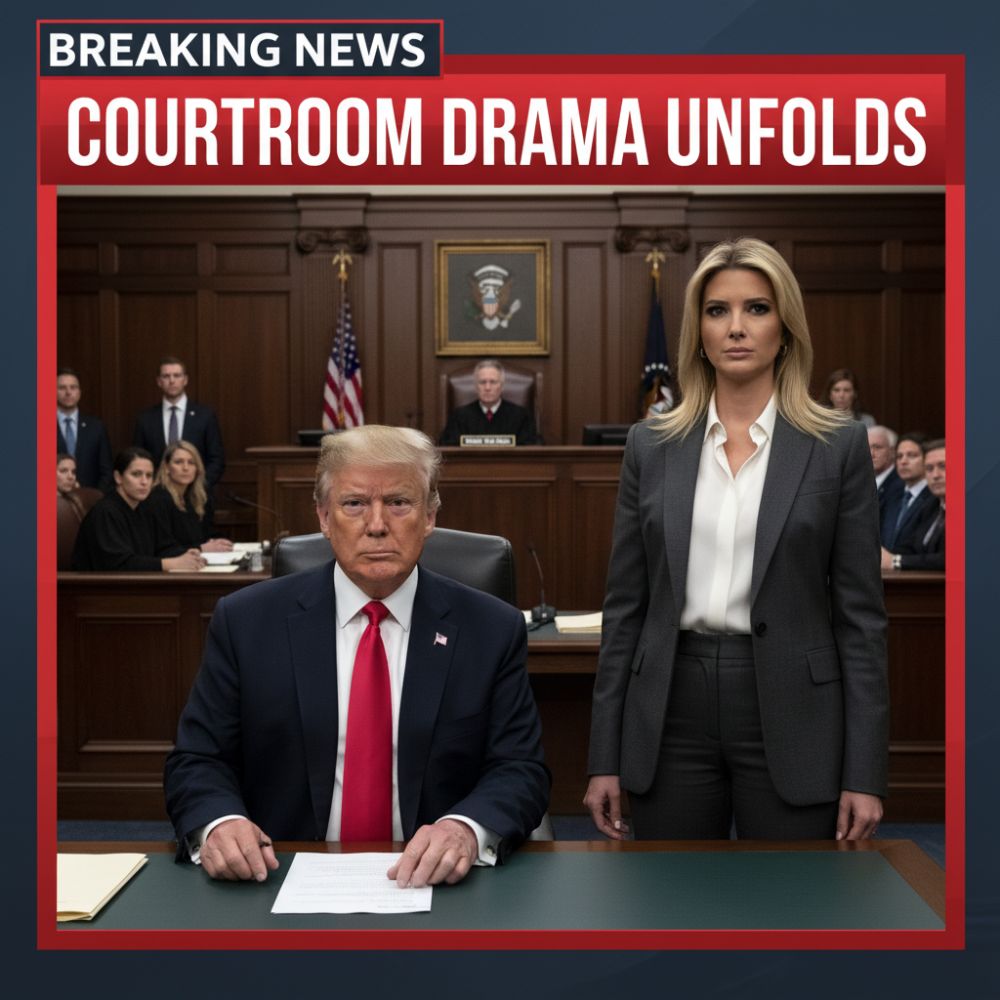
That tension now sits at the center of the courtroom drama.
Past Statements Add Context
Beyond the financial case itself, Ivanka’s previous public remarks have also drawn attention. In earlier statements, she acknowledged accepting the assessment of former Attorney General Bill Barr that the 2020 United States Presidential Election was not stolen—a stance that contrasts with her father’s repeated claims about election integrity.
While not directly tied to the fraud case, those remarks have reinforced the perception that Ivanka has carefully navigated her public positions during politically sensitive moments.
A Balancing Act in the Spotlight
Legal analysts describe her testimony as a delicate balancing act.
On one hand, she sought to clarify her own role and limit personal exposure. On the other, her answers left unresolved questions about who, if anyone, exercised final oversight over critical financial documents.
That dual effect has kept the courtroom—and the public—watching closely.
Because in high-profile cases, the most revealing moments often come not from dramatic confrontations, but from subtle shifts in responsibility.
The Stakes Moving Forward
As the trial continues, the focus now shifts to how prosecutors and defense attorneys interpret Ivanka’s testimony. Each side will attempt to frame her statements in ways that support their broader narrative.
For prosecutors, her distancing may suggest gaps in oversight.
For the defense, her testimony may reinforce the argument that lenders bore responsibility for verifying financial claims.
Either way, the impact is undeniable.
What was once a case centered on spreadsheets and balance sheets has evolved into a broader examination of corporate governance, responsibility, and trust.
And as the proceedings move forward, one question lingers over the courtroom:
When the testimony is complete and the evidence fully examined, will the story point to deliberate misrepresentation—or to a breakdown in oversight that allowed errors to slip through unnoticed?
The answer could determine not just the outcome of the trial—but the future of one of the most recognizable business empires in America.