
OTTAWA — In a significant upset for the global defense industry, South Korea’s Hanwha Ocean has been selected by Canada to build a fleet of next-generation patrol submarines under a multibillion-dollar program intended to bolster Arctic sovereignty, Canadian officials confirmed on Tuesday.
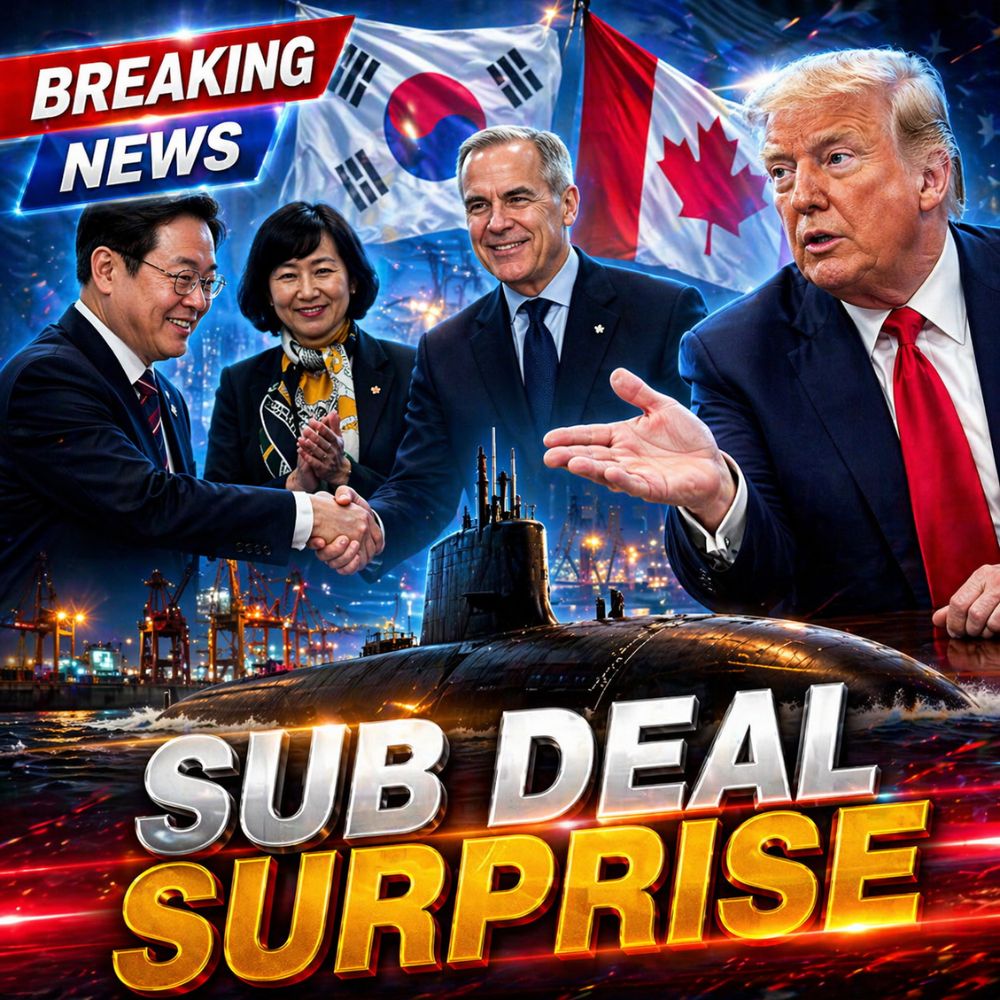
The surprise award, which industry analysts described as one of the most unexpected shifts in recent naval procurement history, sidelines major American contractors including Lockheed Martin and General Dynamics. The decision marks a rare instance in which a non-U.S. bidder has prevailed in a high-value allied submarine project traditionally dominated by American technology.
The program, known internally as the Arctic Patrol Submarine Project, calls for the construction of up to eight diesel-electric submarines optimized for operations in ice-covered waters. Canadian defense sources said the contract is valued at more than $2 billion in its initial phase, with options that could push the total cost significantly higher over the next decade.
Hanwha Ocean, a subsidiary of South Korea’s Hanwha Group and one of the world’s fastest-growing naval shipbuilders, beat out the U.S. heavyweights on a combination of cost, delivery timeline and technical specifications tailored to Canada’s unique Arctic requirements. South Korean officials described the win as a “milestone for Korean defense exports.”
The news sent ripples through Washington. According to officials familiar with the matter, senior Pentagon leaders and members of the Trump administration were caught off guard by the Canadian decision. One senior U.S. defense official, speaking on condition of anonymity, called the outcome “deeply disappointing” and said it raised questions about the strength of traditional alliance procurement preferences.
President Donald Trump, who has repeatedly emphasized “America First” in defense sales, has not yet issued a public statement. However, aides said the White House is reviewing the deal for possible diplomatic pushback.
In Seoul, President Lee Jae-myung hailed the contract as a validation of South Korea’s growing role as a reliable defense partner. “This is not just a business success,” Mr. Lee told reporters. “It is proof that Korean technology and industrial capability can meet the highest standards of our closest allies.”
The selection of Hanwha Ocean reflects Canada’s broader effort to diversify its defense suppliers amid rising tensions in the Arctic. With melting ice opening new shipping routes, Ottawa has made strengthening its underwater presence a national priority. Canadian officials have expressed concern about increased activity by Russian and Chinese vessels in the region.
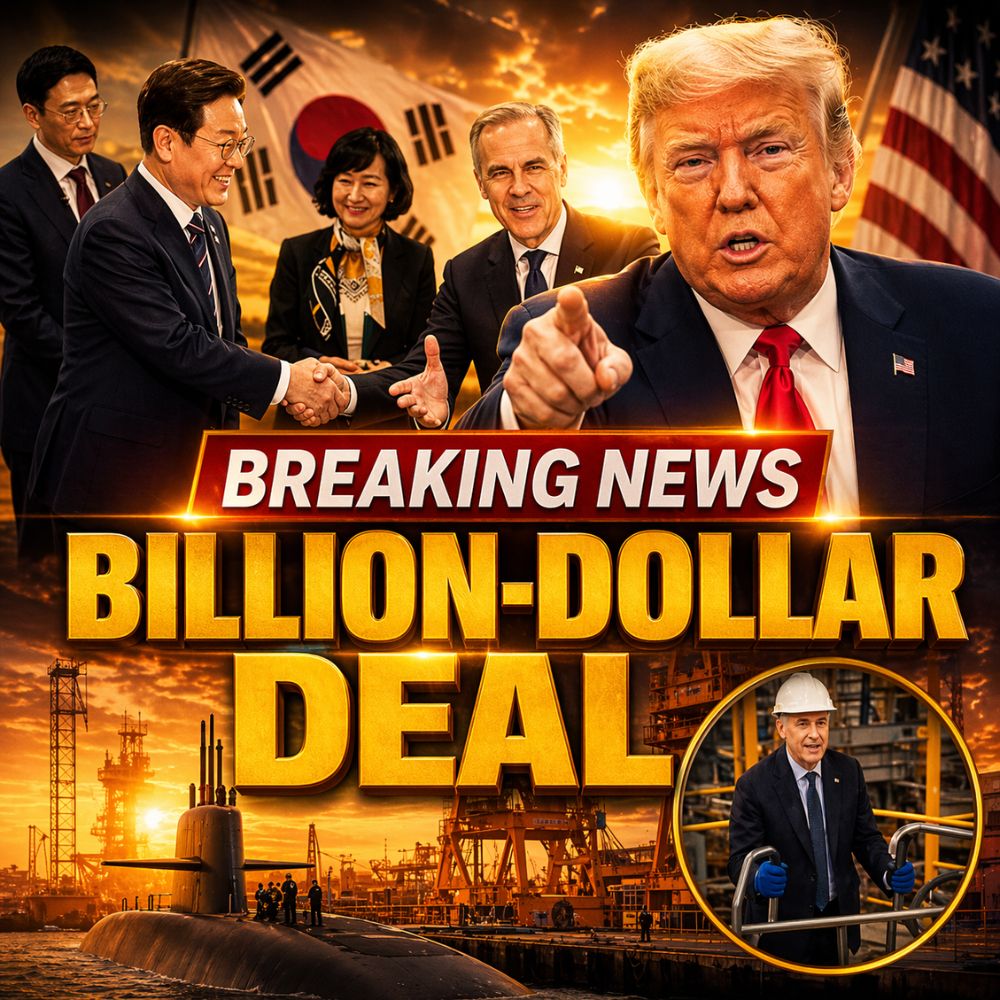
Analysts say several factors contributed to Hanwha’s victory. South Korean shipyards have developed a reputation for delivering advanced conventional submarines on time and within budget — a contrast to the lengthy delays and cost overruns that have plagued some U.S. programs. Industry insiders also noted that Hanwha offered extensive technology transfer and local shipbuilding opportunities in Canada, elements that appealed to Ottawa’s desire for domestic industrial benefits.
The loss is particularly stinging for the American defense giants. Both Lockheed Martin and General Dynamics had invested heavily in lobbying and technical proposals tailored to Canadian requirements. U.S. officials had privately expected that longstanding alliance ties would tilt the competition in their favor.
“This deal represents more than the loss of one contract,” said Michael O’Hanlon, a senior fellow at the Brookings Institution. “It signals a quiet but meaningful shift in how even close allies view their strategic procurement options. Cost, reliability and industrial offsets now appear to matter as much as traditional political alignment.”
The Canadian government stressed that the decision was made through a competitive, transparent process and was not intended to signal any diminishment of the U.S.-Canada defense relationship. “We remain deeply committed to NORAD and our partnership with the United States,” a senior Canadian defense official said. “This procurement was driven by operational needs in the Arctic.”
Still, the outcome is likely to fuel debate in Washington about America’s eroding dominance in certain segments of the global defense market. South Korea has emerged in recent years as a formidable exporter of naval vessels, tanks and artillery, winning major contracts in Australia, Norway and now Canada.
For Hanwha Ocean, the Canadian deal is the latest in a string of international breakthroughs. The company has grown rapidly by offering capable, cost-effective platforms that appeal to nations seeking alternatives to more expensive American or European systems.
As details of the contract continue to emerge, analysts are watching closely to see whether the decision will prompt a policy response from the Trump administration or lead other allies to reconsider their own procurement strategies. For now, the quiet victory by a South Korean shipbuilder has left Washington reassessing assumptions that once seemed unassailable.