
In the world of international trade, there is a massive difference between a tariff and a ban. A tariff makes a product more expensive; a ban makes it non-existent. For the American distilled spirits industry, the past 14 months in Canada have been a brutal lesson in the latter. While Washington has focused on negotiating percentages, Canadian provincial governments—led by Ontario—have executed a surgical removal of American brands that has left iconic names like Jack Daniels, Jim Beam, and Makers Mark completely off the shelves.
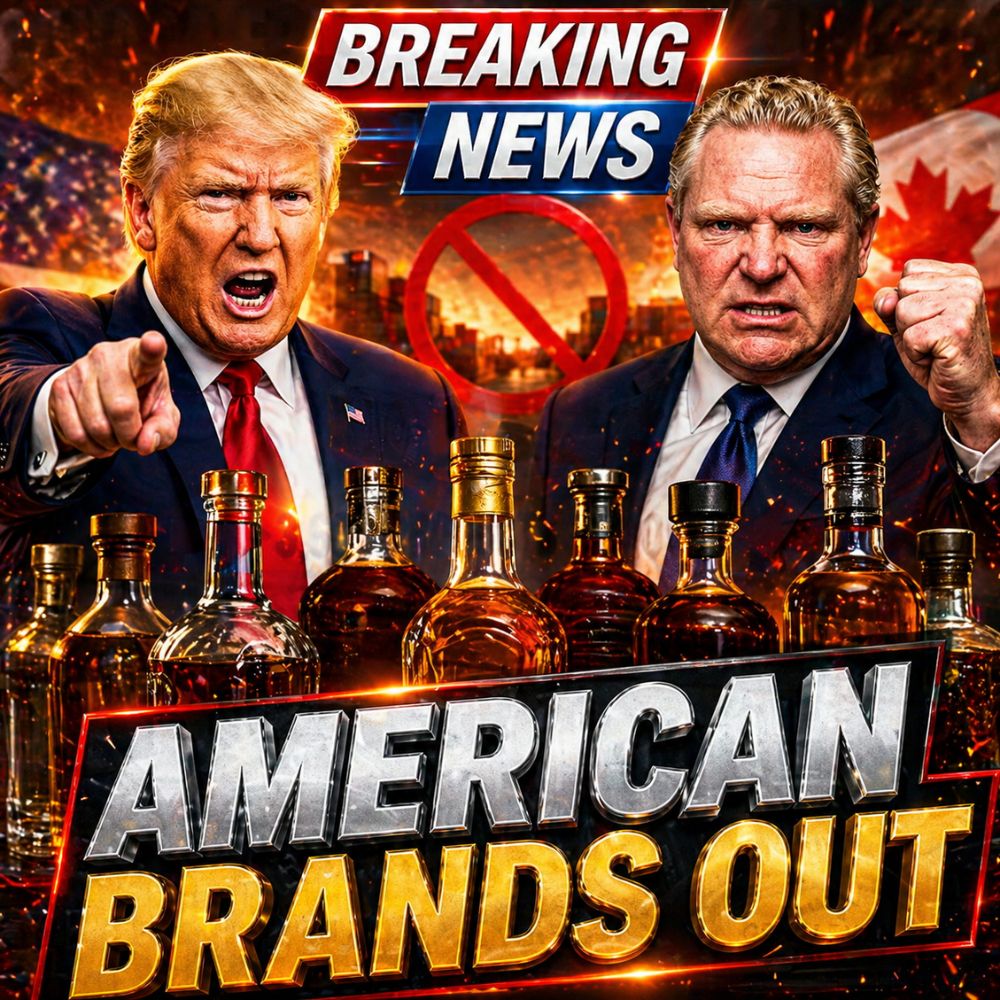
The scale of this erasure is unprecedented. The Liquor Control Board of Ontario (LCBO), which is the single largest alcohol retail buyer in the world, removed 965 American listings, totaling over 3,600 individual products from 35 different states. This wasn’t a grassroots boycott; it was a policy decision made by a government monopoly with the legal authority to decide exactly what its citizens are allowed to buy.
The Provincial Power Play
What makes this situation a “nightmare scenario” for U.S. trade officials is the unique structure of Canadian alcohol distribution. In most provinces, alcohol is sold through government-run agencies like the LCBO in Ontario or the SAQ in Quebec. Because these are provincial agencies, the Canadian federal government in Ottawa lacks the direct authority to force them to carry specific products.
This has created a massive disconnect in negotiations. The U.S. Trade Representative, Jameson Greer, is attempting to negotiate with Ottawa, but the actual decision-makers are sitting in provincial capitals like Toronto and Victoria. These provinces have essentially used the private American spirits industry as a political hostage, explicitly telling distillers that their market access will not be restored until the U.S. removes its blanket tariffs on Canadian goods.
A Market Permanently Restructured
For the CEOs of major American distilleries, the concern isn’t just the current loss of revenue—though that is estimated at close to a billion dollars annually. The real fear is that the market is being permanently restructured. In the 14 months since the ban took effect, Canadian craft distilleries have scaled up at a blistering pace to fill the void.
In Ontario, local distilleries like Maverick have seen whiskey sales triple, while VQA wine sales have surged by 58%. These local companies are using the elevated revenue to finance massive expansions, hiring more workers and securing long-term loyalty from consumers who have spent over a year discovering local alternatives. As Brown-Forman CEO Lawson Whiting noted, this is “worse than a tariff” because even if the ban is lifted tomorrow, Jack Daniels will return to a smaller shelf, facing local competitors that are now better capitalized and more entrenched than ever before.
The 72-Day Countdown
This “Whiskey War” is coming to a head as the KUSMA (the agreement that replaced NAFTA) review clause prepares to activate in just 72 days. The U.S. has officially listed the removal of these provincial alcohol restrictions as a mandatory condition for extending the trade agreement.
However, experts are skeptical of a quick fix. As consumer habits shift and local industries grow, the “return” of American products becomes less of a commercial certainty and more of a difficult political negotiation. If this precedent holds, it raises a terrifying question for other U.S. industries: If Canada can use its liquor monopolies to erase American products, could they do the same with pharmaceuticals, media licensing, or environmental permits?
As of April 2026, the bans remain active across the majority of Canada’s population. For the distillers in Kentucky and the winemakers in California, the clock is ticking, but the shelves they once called home are already occupied by a new generation of Canadian rivals. The “Whiskey War” isn’t just about trade—it’s about who owns the future of the North American consumer.