
In the high-stakes theater of international diplomacy, some of the most devastating blows are struck not with missiles, but with the stroke of a pen. On April 7, 2026, the United Nations Security Council became the site of a geopolitical earthquake that many missed, but none will be able to ignore for long. China and Russia exercised their veto power against a resolution aimed at the Strait of Hormuz—a move Western media quickly dismissed as mere “protection of a rogue regime.” However, a deeper analysis reveals a masterstroke of strategic calculation that may have just shifted the global balance of power for decades to come.
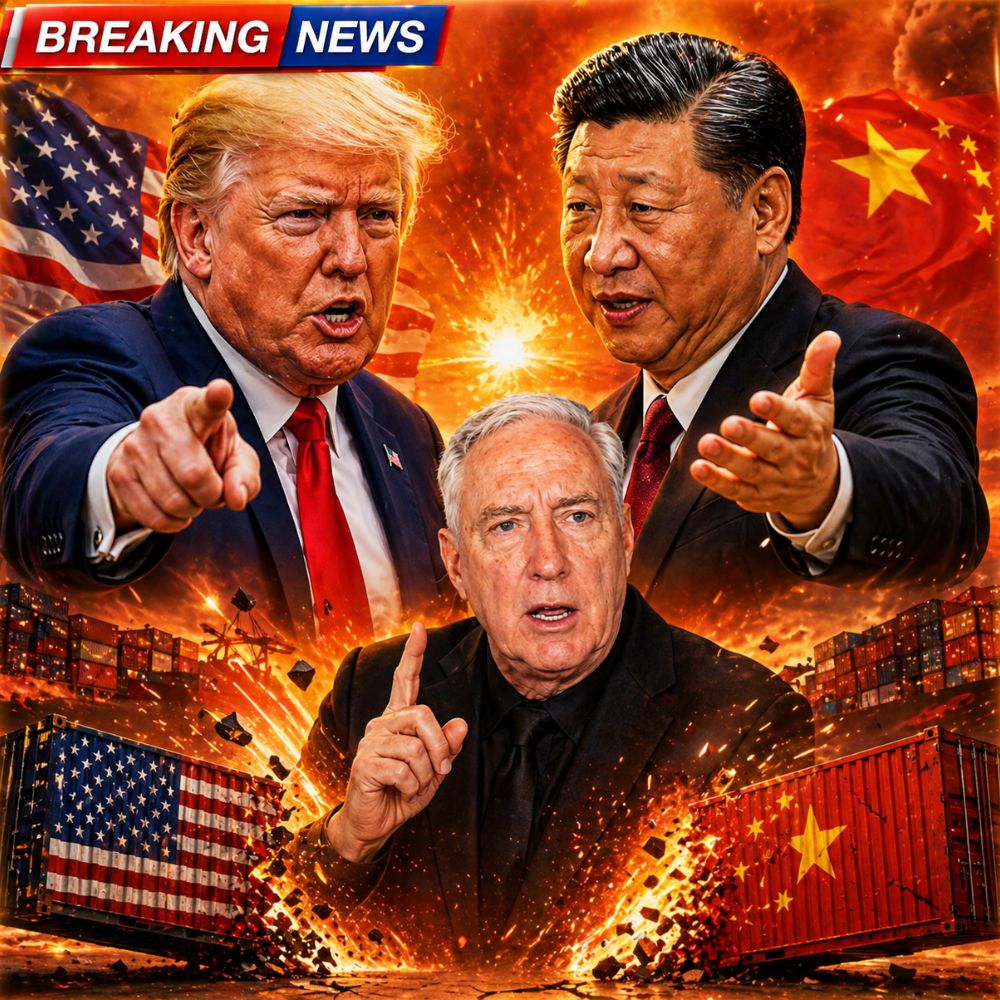
To the casual observer, China’s decision seems nonsensical. As the world’s largest importer of Iranian oil, China has the most to lose from a blockaded Strait of Hormuz. Logic suggests they should be the first to demand the route be reopened. Yet, Beijing chose to block the “solution.” Why? Because the resolution, originally proposed by Bahrain and backed by 11 nations, contained the “poison pill” of diplomatic language: “all necessary means.” In the world of the UN, this is code for military intervention and legal cover for war.
The Malacca Dilemma and the Petro-Dollar Trap
China’s strategy is rooted in a long-standing strategic nightmare known as the “Malacca Dilemma.” Beijing has long feared that the United States Navy could choke its economy by controlling key maritime choke points. If the US were granted international legitimacy to “secure” the Strait of Hormuz by force, it would reinforce American control over global energy lanes. For China, a US victory in Hormuz is a strategic defeat for Beijing. By vetoing the resolution, China ensured that Washington cannot use the UN as a “rubber stamp” for its military ambitions.
Furthermore, the continuing instability in the Gulf serves a deeper, more transformative purpose: the erosion of the Petro-Dollar. Since the 1970s, the US dollar’s dominance has been anchored by its role as the primary currency for global oil trade. Every day the Strait remains a zone of uncertainty, the flow of Petro-Dollars weakens. This stress forces nations to look toward alternatives—alternatives that China has been building for years, including yuan-based trading mechanisms and cross-border payment systems. China is willing to endure short-term energy pain to facilitate a long-term global financial transformation.
Resilience Over Efficiency
While the West often optimizes for immediate economic efficiency, China has spent the last decade designing for resilience. Beijing has quietly amassed massive strategic petroleum reserves and diversified its energy sources through overland routes like the China-Pakistan Economic Corridor (CPEC) and the International North-South Transport Corridor. Most importantly, China’s aggressive expansion into domestic renewable and nuclear energy means it is far better prepared to weather a global energy shock than Japan, South Korea, or even Europe.
In the hallowed halls of the UN, China’s Ambassador Fu Cong framed the veto as a defense of sovereignty, arguing that the resolution failed to address the root causes of the conflict—specifically, the military strikes against Iran that triggered the escalation. This positioning resonates deeply with the “Global South,” where many nations remain skeptical of selective Western intervention. China is no longer just an economic giant; it is positioning itself as the moral arbiter of a multipolar world.
A New Multipolar Reality
The events of April 7th mark the end of the unipolar era where the United States could set global rules without resistance. The Hormuz veto proves that there are now visible, enforceable limits on American power within international institutions. Wars are no longer decided solely on the battlefield; they are won in the realms of economics, narratives, and legal frameworks.
By firing no shots and deploying no troops, China has effectively limited its rival’s options and altered the trajectory of a major conflict. It has protected its long-term strategic interests, pressured the dollar-based financial system, and won a significant narrative victory among developing nations. The strongest player on the global board is no longer the one who strikes the hardest, but the one who positions themselves so precisely that everyone else is forced to react. China just moved its queen, and the world is only now realizing it is in check.