
OTTAWA — In a move that has gone largely unnoticed by the public but is causing quiet tremors within alliance corridors, Canada has formally stepped forward to host NATO’s proposed defence bank — a new financial institution that could soon decide where tens of billions of dollars in military funding flow across the 32-member alliance.
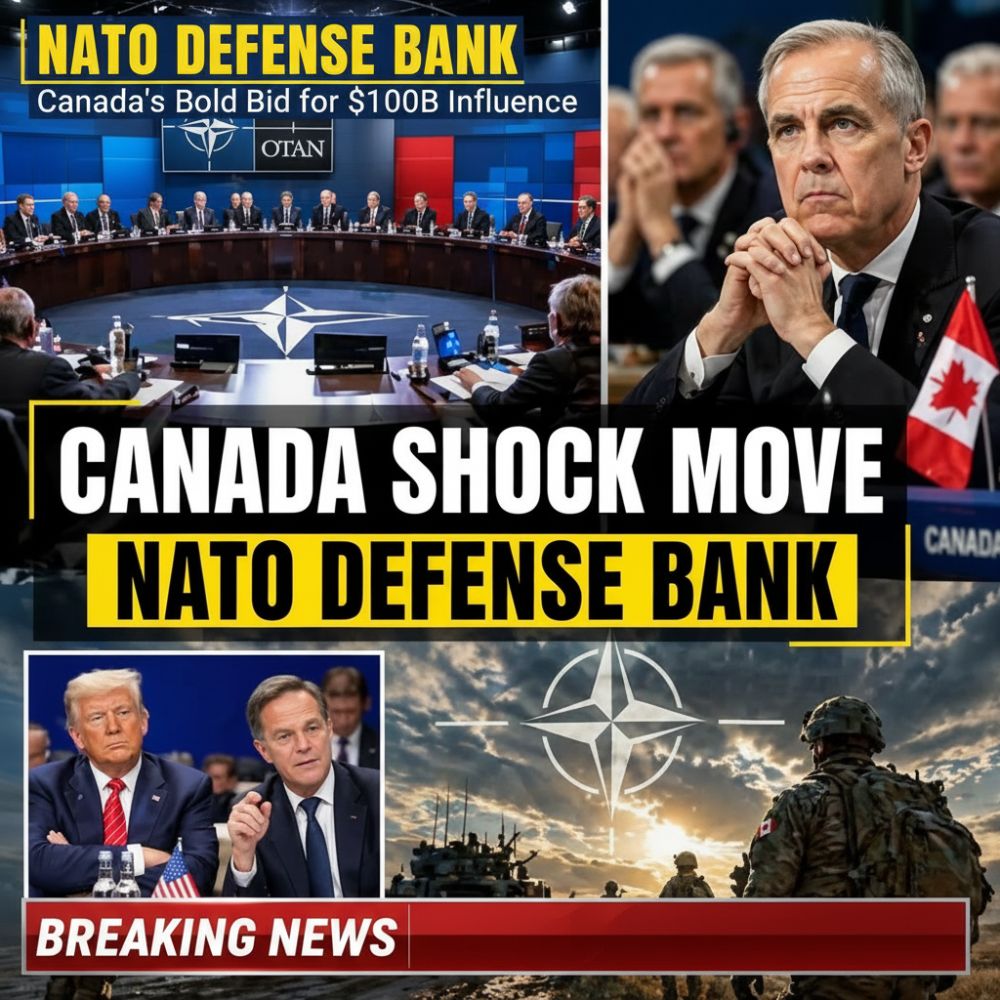
The proposal, submitted quietly to NATO headquarters in Brussels last month, would establish the bank’s headquarters in Ottawa, giving Canada outsized influence over procurement, weapons innovation, and long-term defence priorities for decades to come.
Supporters call it a smart, stabilizing play from a middle power stepping up when it matters most. But critics warn the bid could dangerously politicize defence funding and unsettle larger allies — particularly the United States, Germany, and France — who are accustomed to calling the financial shots.
“This is not a technical proposal,” said James Stavridis, a former NATO Supreme Allied Commander Europe. “This is a strategic bid to reshape who really controls NATO’s wallet.”
The proposed institution, formally known as the NATO Defence Investment Bank, would function as a specialized lending and grant-making body. Its mandate would include co-financing large-scale infrastructure projects, subsidizing joint weapons development, and providing low-interest loans to allies struggling to meet their two-percent-of-GDP defence spending targets.
Estimates suggest the bank could manage assets exceeding $100 billion within its first decade, with annual disbursements rivaling those of the European Investment Bank’s defence-related portfolios.
For Canada, the prize is obvious. Hosting the bank would mean hundreds of high-skilled jobs, permanent diplomatic traffic, and a seat at every major funding decision. More importantly, it would grant Ottawa a powerful lever to shape which technologies get funded, which allies receive priority, and which strategic regions benefit most.
“Canada has long been seen as a reliable but not necessarily influential ally,” said Stephanie Carvin, a national security professor at Carleton University in Ottawa. “This would change that overnight.”
The bid has already attracted high-level support. Prime Minister Justin Trudeau’s government has quietly lobbied European allies, arguing that locating the bank outside traditional power centers would signal NATO’s commitment to burden-sharing and geographic diversity.
“The alliance is stronger when its institutions reflect all its members, not just the largest ones,” a senior Canadian official told reporters, speaking on condition of anonymity because the bid has not yet been publicly announced.
But behind closed doors, resistance is intensifying. The United States is said to prefer keeping major financial decisions close to Washington or at NATO’s existing military headquarters in Mons, Belgium. Germany has floated Frankfurt as a natural home for a defence bank, citing its experience hosting the European Central Bank.
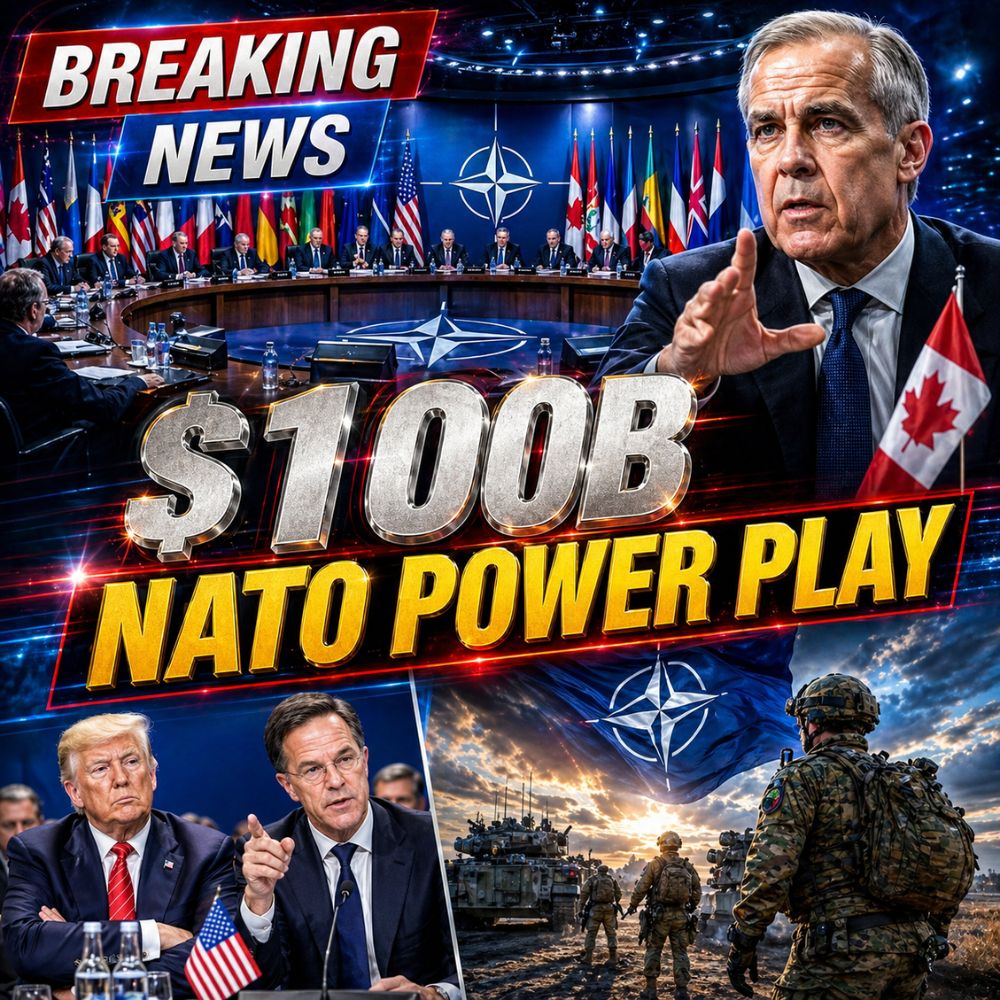
France, meanwhile, has questioned whether a non-European member should host an institution that will primarily fund European defence needs. “Geography matters,” a French diplomatic source said. “The bank needs to be where the decisions are implemented — in Europe.”
The lobbying is already fierce. Canadian officials have been shuttling between Paris, Berlin, London, and Warsaw, making the case that Ottawa offers stability, rule of law, and a time zone that bridges North America and Europe. Competing bids are expected to formalize within weeks.
Proponents argue that a NATO defence bank is long overdue. Unlike the European Union, which has the European Investment Bank and the European Defence Fund, NATO has historically relied on ad hoc contributions and national budgets. The new bank would provide predictable, multi-year financing for projects that individual allies cannot afford alone.
“Imagine a common fund for undersea cable protection, Arctic infrastructure, or drone defense systems,” said retired general David Fraser, who commanded NATO forces in Afghanistan. “That is what this bank could unlock. And Canada is perfectly positioned to host it.”
Skeptics, however, fear mission creep. “Once you create a bank, you create a bureaucracy that wants to lend,” said Mark Milley, former chairman of the U.S. Joint Chiefs of Staff. “And lending always comes with political conditions. That is a dangerous path for a military alliance.”
There are also questions about Canada’s own defence spending. Despite hosting the proposed bank, Ottawa currently spends just 1.3 percent of its GDP on defence — well below the NATO target. Some allies have privately grumbled that Canada wants to manage money it is not contributing enough to.
The Canadian government has pledged to increase defence spending to 1.7 percent by 2030, but that still lags behind most European allies who have surged their budgets since Russia’s full-scale invasion of Ukraine.
For now, the bid remains in what diplomats call the “consultation phase.” No formal vote has been scheduled. But with the next NATO summit set for The Hague in June, pressure is building for a decision.
If approved, the defence bank would be the first major NATO financial institution established since the alliance’s founding in 1949. And its location — Ottawa, Brussels, Frankfurt, or elsewhere — will send a clear signal about where the alliance believes its financial future belongs.
Canada has made its play. Quietly. Carefully. And with billions of dollars hanging in the balance. The question now is whether the rest of NATO is ready to follow.