
A Quiet Break in North America’s Trade Consensus
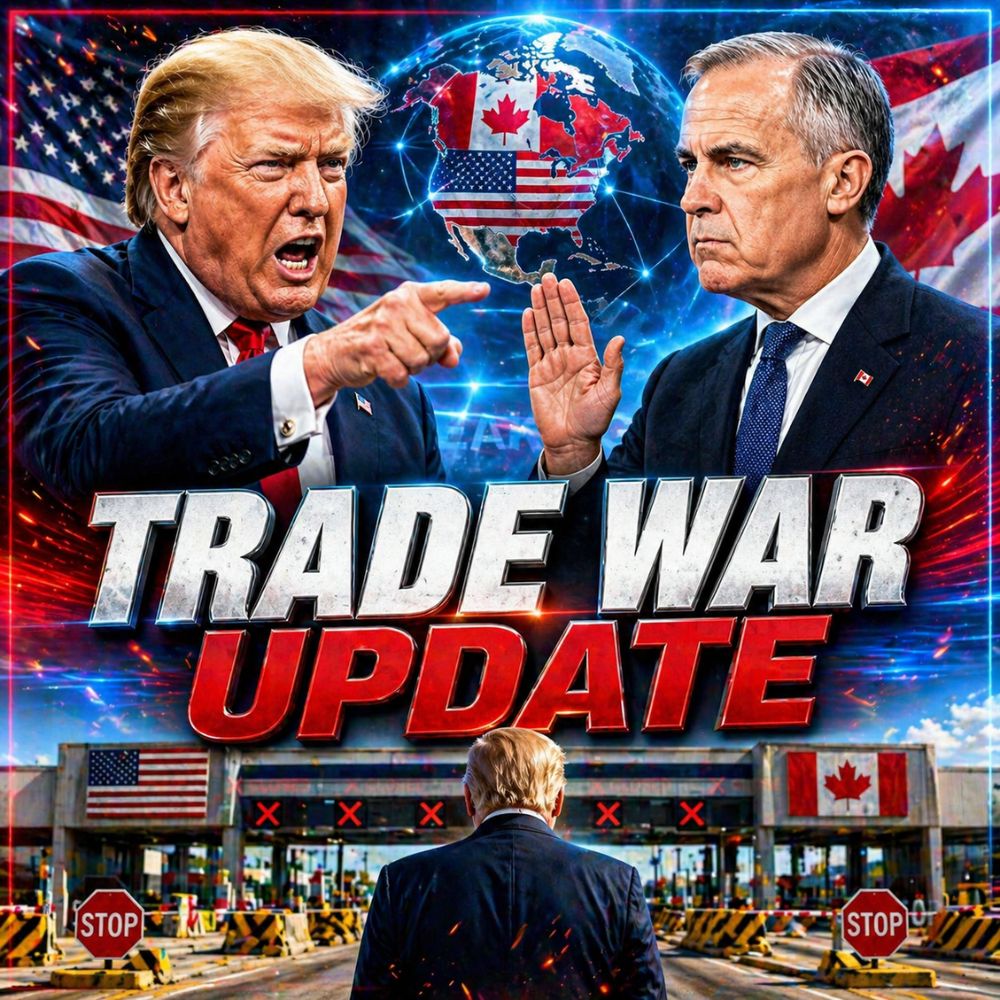
The latest review of the United States–Canada–Mexico trade agreement was expected to follow a familiar script: technical disputes, incremental concessions, and a carefully managed renewal. Instead, it has evolved into a sharper confrontation, one that reflects deeper structural shifts in North America’s economic balance.
At the center of the dispute is a list of conditions presented by Washington, spanning sectors from dairy and digital services to procurement and alcohol regulation. Such demands are not unusual in trade negotiations. What is unusual is the response. Canada, under Prime Minister Mark Carney, rejected all five conditions outright, signaling a departure from decades of cautious economic diplomacy.
This was not a reflexive decision. Evidence suggests that Ottawa had been preparing for this moment well before the demands were formally articulated. Legislative measures had already been passed to entrench key policies, particularly in agriculture and digital regulation, effectively removing them from the negotiating table.
The dairy sector illustrates this shift most clearly. Long a point of contention, Canada’s supply management system imposes high tariffs on imports exceeding quotas. While American producers view this as protectionist, Canadian policymakers see it as essential to stabilizing domestic agriculture. By codifying the system into law, Canada transformed a negotiable issue into a fixed principle.
A similar dynamic is unfolding in digital media. Canadian regulations now require major platforms to reinvest a portion of their revenue into local content and compensate news publishers. For the United States, these rules disadvantage American technology firms. For Canada, they represent an effort to preserve cultural autonomy in a market overwhelmingly shaped by foreign platforms.
The dispute over government procurement further complicates the picture. Washington has pressed for broader access to Canadian provincial contracts. Yet Canada’s reluctance mirrors longstanding American policies that prioritize domestic suppliers in federal spending. The disagreement, in this sense, exposes a broader tension between free trade principles and national industrial strategies.
Energy, though less prominently featured in the demands, remains the foundation of the bilateral relationship. The United States relies heavily on Canadian oil imports, particularly for refineries configured to process heavier crude. Seasonal electricity flows from Canada also help stabilize regional grids. This interdependence limits how far either side can push without incurring significant domestic costs.
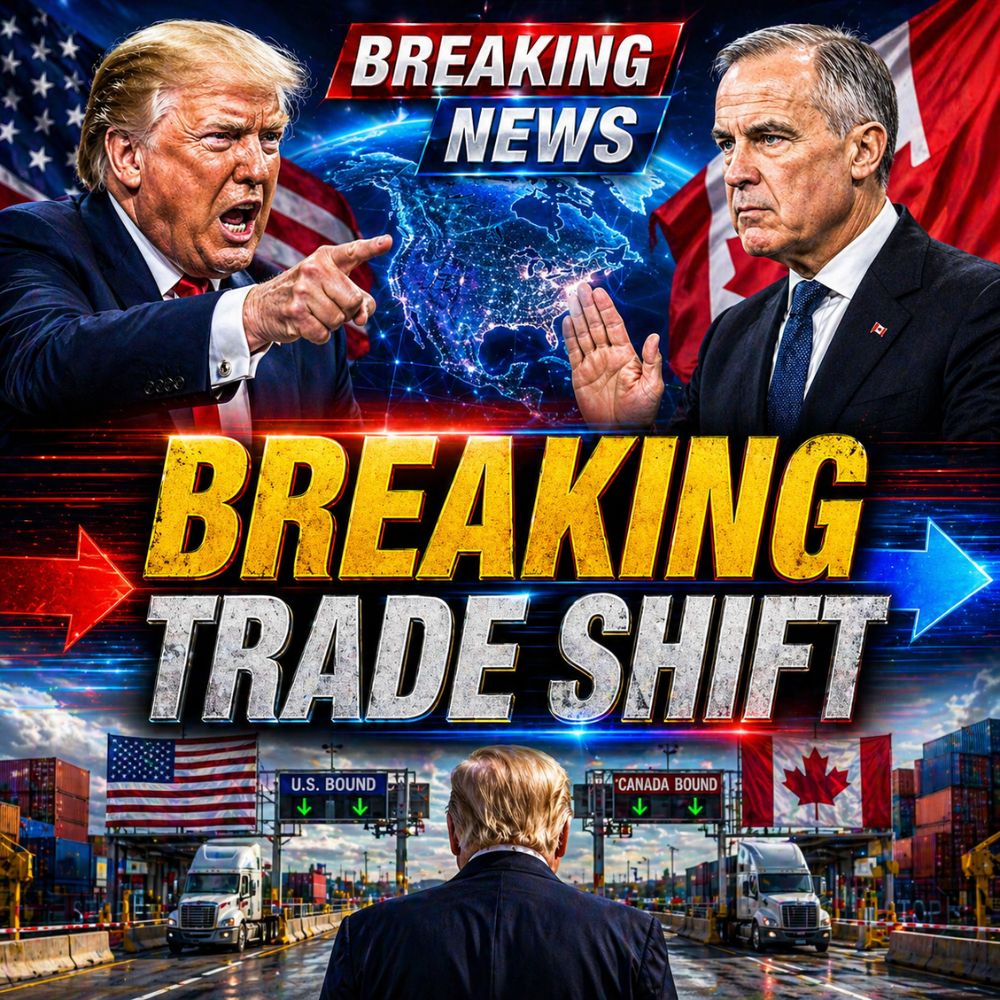
Notably absent from the core disputes is the automotive sector, despite its central role in North American trade. Supply chains in this industry are deeply integrated, with components crossing borders multiple times before final assembly. Disrupting this system would carry substantial risks for manufacturers on both sides, which may explain Washington’s relative restraint.
What distinguishes the current moment is Canada’s broader strategic posture. Rather than negotiating solely within the framework of North American trade, Ottawa has been expanding its external partnerships. Increased engagement with Europe and selective reopening of trade channels with China suggest a deliberate effort to reduce reliance on the United States.
This diversification reflects a longer-term recalibration. For decades, the American market absorbed the majority of Canadian exports, shaping policy decisions across sectors. That dependency is now being reassessed, not abandoned, but supplemented with alternative pathways that provide greater flexibility.
The United States, meanwhile, faces its own internal contradictions. Public rhetoric questioning the value of the trade agreement stands in contrast to economic data showing significant growth in exports under its framework. Industry leaders across sectors have emphasized the importance of stability, underscoring the risks of prolonged uncertainty.
These competing pressures leave the future of the agreement uncertain. As a key review deadline approaches, policymakers must weigh three broad options: extending the agreement, withdrawing from it, or entering a period of annual renegotiation that would prolong ambiguity.
For Canada, the strategy appears to be one of controlled resistance—absorbing short-term friction while building long-term resilience. For the United States, the challenge lies in reconciling political messaging with economic realities that favor continued integration.
What began as a routine review has thus become something more consequential: a test of how middle powers assert economic sovereignty in a system long dominated by larger neighbors. The outcome will not only shape North American trade but may also signal how similar disputes unfold in an increasingly fragmented global economy.